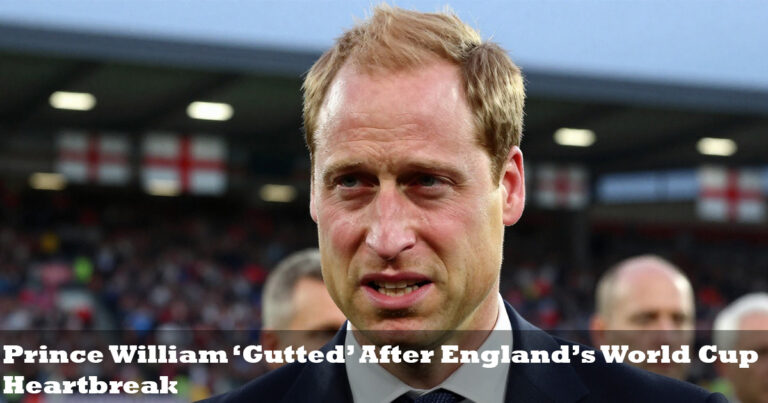
Prince William Parenting: The Quiet Royal Revolution Changing Everything
Prince William parenting has become one of the most unexpectedly relatable stories inside the royal family. Not because of grand speeches or carefully managed headlines, but because of small, honest moments that feel incredibly human.
It started with socks.
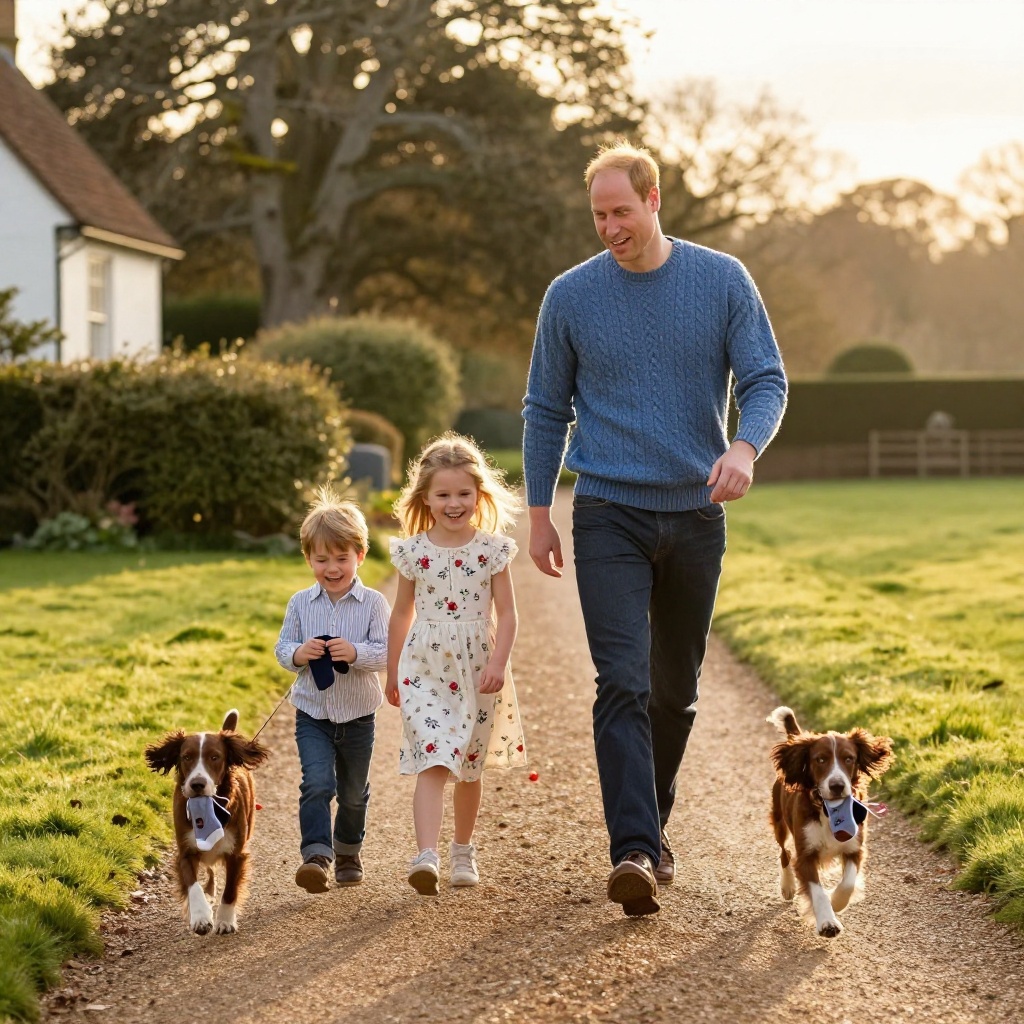
During a visit to a youth centre in west London, Prince William casually revealed that the family’s rescue spaniels had developed a habit of stealing socks around Adelaide Cottage. The image was instantly relatable: children laughing, dogs racing through the house, and exhausted parents trying to recover the missing pair.
The moment mattered because it wasn’t polished.
For decades, royal parenting was presented as distant, formal, and emotionally restrained. But Prince William and Catherine are quietly creating something very different. Their approach feels modern, emotionally aware, and grounded in real family life.
And people are noticing.
Table of Contents
Life Inside Adelaide Cottage
Adelaide Cottage may sit within royal grounds, but the atmosphere inside sounds surprisingly ordinary.
There are school runs, missing socks, sibling chaos, and busy schedules. Prince William has gradually shared more glimpses into daily life, and those details reveal a parenting style focused less on royal image and more on emotional connection.
The family dogs apparently create “absolute mayhem” around the house. Instead of hiding those messy realities, William laughs about them publicly.
That openness matters.“At the core of Prince William Parenting, there is a strong focus on emotional stability rather than royal perfection
It sends a subtle message that perfection is not the goal. Connection is.
In many ways, Prince William parenting works because it feels authentic. Parents everywhere understand the exhaustion, unpredictability, and humor that come with raising children.
Even royal children are still children.
Why Prince William Parenting Feels Different
Royal parenting traditionally emphasized discipline, distance, and duty above all else.
Prince William appears determined to change that.
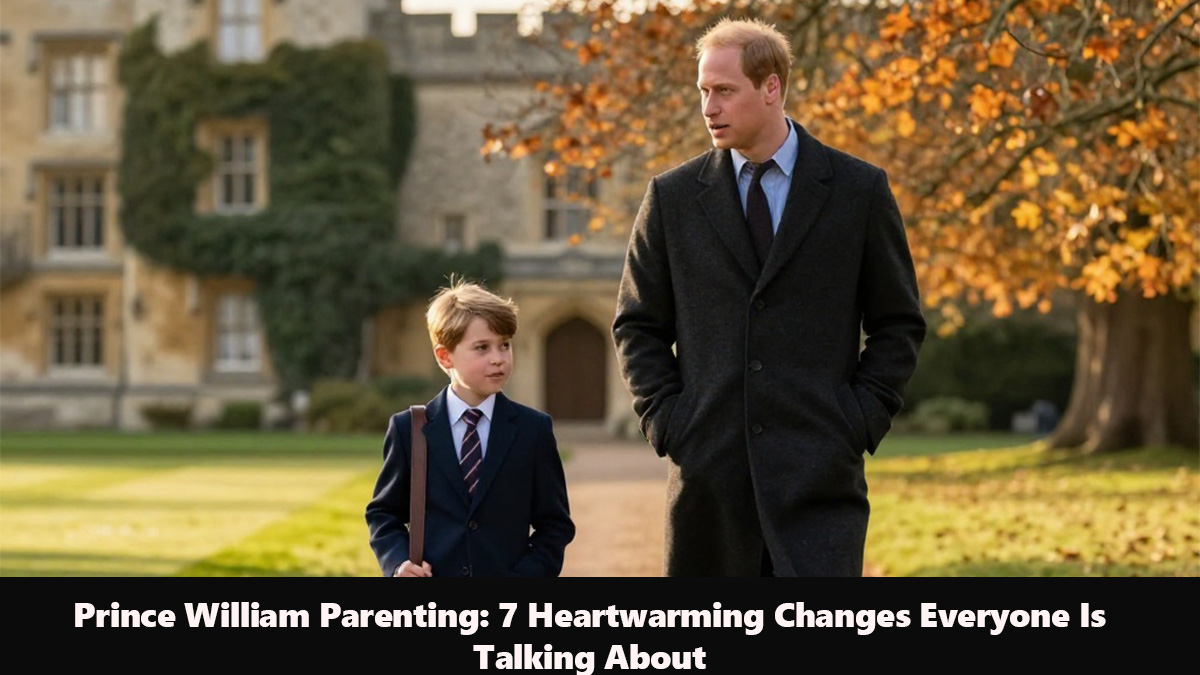
Rather than raising his children inside rigid royal expectations, he and Catherine focus heavily on emotional stability, communication, and normal experiences.
Some key differences stand out:
1. Emotional openness
William speaks honestly with his children instead of shielding them from difficult realities.
2. Present parenting
He is actively involved in school routines, activities, and family responsibilities.
3. Delayed independence
Unlike previous royal generations, George was not sent into full-time boarding school at a very young age.
4. Protection from excessive exposure
The Wales family carefully controls public appearances and media access.
This quieter parenting philosophy feels less about maintaining tradition and more about building emotionally healthy children.
The Boarding School Decision Explained
Photorealistic cancer research laboratory scene showing scientists analyzing chromosomal instability data on transparent digital screens, close-up of genomic sequencing visuals
and abnormal chromosome patterns, soft blue laboratory lighting, shallow depth of field, modern oncology research environment, realistic microscopes and molecular imaging equipment visible in background,
cinematic editorial photography style, atmosphere of scientific discovery and urgency, highly detailed medical realism, no identifiable faces, no text, 16:9 aspect ratio.
Photorealistic cancer research laboratory scene showing scientists analyzing chromosomal instability data on transparent digital screens, close-up of genomic sequencing visuals and abnormal chromosome patterns, soft blue laboratory lighting, shallow depth of field, modern oncology research environment, realistic microscopes and molecular imaging equipment visible in background, cinematic editorial photography style, atmosphere of scientific discovery and urgency, highly detailed medical realism, no identifiable faces, no text, 16:9 aspect ratio.
So, how does he parent when things get truly awful?
The cancer diagnosis came in 2024. First the King, then Catherine. For weeks, the Wales household was a closed circuit of medical appointments, whispered conversations, and children who knew something bad was happening but couldn’t name it. So William and Catherine named it for them.
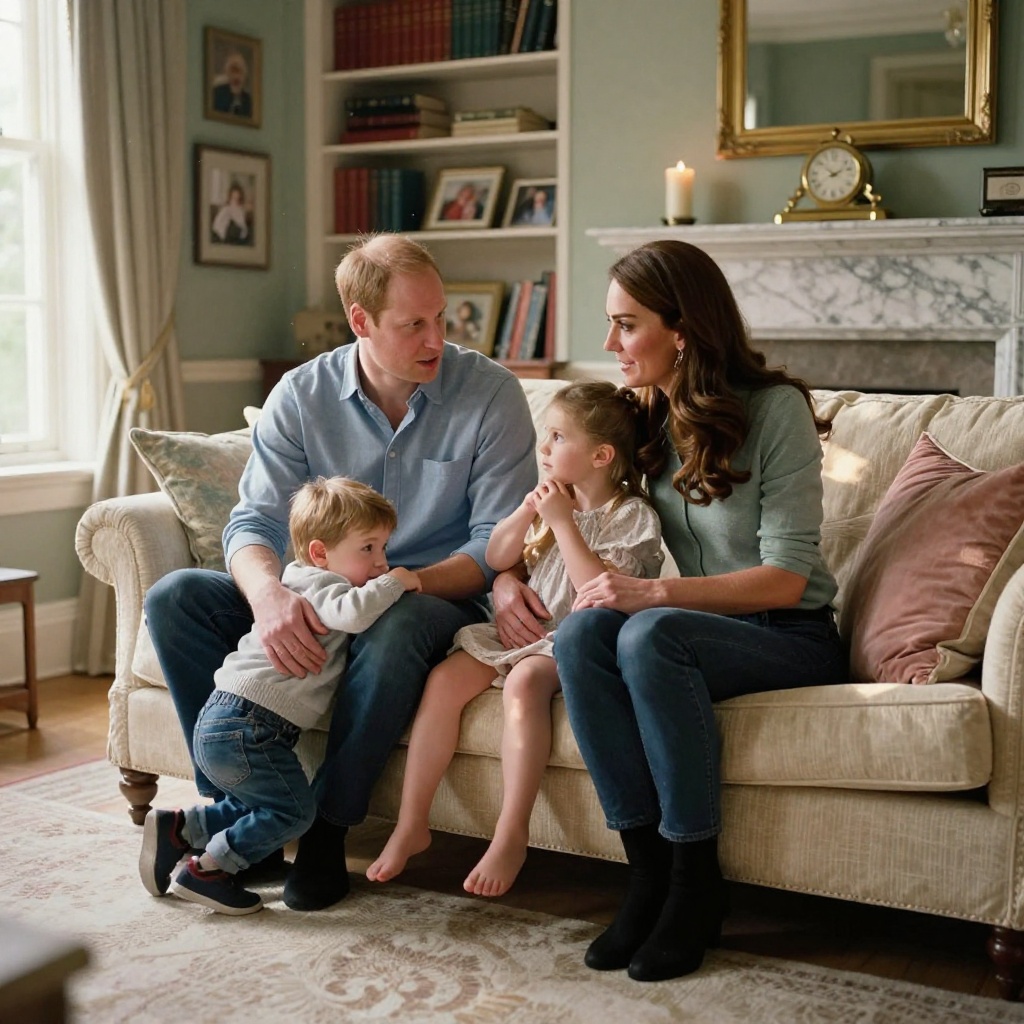
They sat George, Charlotte, and Louis down and explained, in words each could handle, that their mother was sick and would need treatment.
No euphemisms. No pretending. William’s rationale, delivered bluntly during the Earthshot Prize in Brazil, was that hiding the truth simply doesn’t work. One of the most powerful aspects of Prince William Parenting is its honesty during difficult moments
“Sometimes you feel you’re oversharing,” he said. “But most of the time, hiding stuff from them doesn’t work.”
That sentence isn’t just a parenting tip. It’s a complete rejection of the emotional architecture William grew up in, where terrible things were often left unspoken and children were expected to cope by not asking questions.
prince william open parenting cancer diagnosis might never have become a public topic if he hadn’t brought it up himself, and his willingness to do so—to admit that yes, this year broke him in ways he’s still processing—has made the monarchy look human in a way pageantry never could.
What Catherine’s illness taught them
There’s a particular cruelty to navigating a spouse’s cancer while also managing three children who have, suddenly, a thousand questions.
“Now, that has its good things and its bad things,” William said of their decision to communicate so much. The bad things: Louis fixated on whether mummy would lose her hair.
Charlotte wanted to know exactly how the medicine worked. George, old enough to understand the weight of the word ‘oncology,’ went quiet. The good thing was that none of them had to invent their own narrative.
The silence in that house was filled by their parents’ voices, not by fear.
The daily logistics of it all were grinding. William became the taxi driver, the playdate organiser, the parent who showed up at the school gate when Catherine couldn’t.
He said later that he felt exhausted in a way he’d never known. But the exhaustion came from being present, not from delegating the hard stuff to staff. That’s the prince william parenting model in a crisis:
physically there, emotionally unguarded, and willing to let his children see him struggle because hiding it would only make things worse.
The shadow of Diana
None of this happens in a historical vacuum. William was fifteen when his mother died, after a childhood that had already been fractured by public scandal and private misery.
By his own account, he spent years feeling helpless. The lesson he internalised was that royal parenting, as it had been handed down to him, was brittle. It prioritised duty over emotional presence, appearances over honesty.
And so how does prince william parent his children differently? By doing the thing that would have been unthinkable a generation ago: he talks. He talks about cancer in the kitchen. He talks about feelings at bedtime.
He gets laughed at by his kids when the dogs steal his socks, and he laughs back. This is not softness. It’s repair work.Many observers believe Prince William Parenting is redefining how modern royalty approaches family life.
The contrast with his father’s upbringing—or his grandfather’s—is almost too stark to need pointing out.
But it’s worth remembering that the monarchy’s survival depends on its ability to evolve, and the most intimate laboratory for that evolution is a house in Windsor with a muddy garden and a basket of single socks nobody can match.
What comes next
Catherine is returning to public duties slowly, and the family diary now bends around school holidays and the rhythms of Lambrook.
George’s secondary school will be announced before autumn, and it will almost certainly be a place that mirrors Lambrook’s emphasis on pastoral care alongside academics.
No fanfare. Probably a photograph taken by Catherine, a short statement, and then silence.
That restraint is itself a form of protection. William has said his children don’t own phones, and if George ever gets one, it’ll be a brick with no internet.
It’s a losing battle, maybe, in a world that seeps through every crack. But he’s fighting it anyway, inch by inch. The dogs are still stealing socks.
The kids are still laughing. And somewhere in all that ordinariness, a childhood is being built that carries no debt from the past.Overall, Prince William Parenting continues to shape a more modern, emotionally aware version of royal family life.
About the Author