Prince Andrew Investigation 2026: A Fracture That Won’t Heal
The Prince Andrew Investigation 2026 has become far more than another royal controversy. It is now a defining crisis for the British monarchy and a deeply personal tragedy within the royal family itself.
For years, Prince Andrew’s controversies lingered in the background of royal life. But recent developments have pushed the situation into darker and more serious territory. What was once viewed as reputational damage has evolved into a widening criminal investigation that threatens to reshape public trust in the monarchy for years to come.
At the center of this storm stands King Charles III — a monarch trying to protect the Crown while distancing himself from his younger brother. The emotional divide between the two men now appears wider than ever.
And according to royal insiders, there may be no path back.
Table of Contents
The Royal Rift Deepens
The tension between King Charles and Prince Andrew did not emerge overnight. The relationship has reportedly been strained for years, especially following Andrew’s association with disgraced financier Jeffrey Epstein.
However, the Prince Andrew Investigation 2026 has taken that strain to an entirely new level.
When King Charles arrived at Wood Farm on the Sandringham estate during the spring bank holiday weekend, many royal observers expected at least a quiet family meeting. Prince Andrew was staying only a short drive away at Marsh Farm after relinquishing his Duke of York title in 2025.
But there was no meeting.
No shared lunch.
No church walk.
No private conversation.
That silence spoke volumes.
Royal experts believe the King intentionally avoided any public interaction with Andrew to prevent the appearance of interference while police investigations continue. In today’s media environment, even a casual family photo could have sparked outrage and headlines across the globe.
For Charles, the monarchy’s survival appears to come before family loyalty.
Why the Investigation Changed Everything
The biggest turning point in the Prince Andrew Investigation 2026 came when Thames Valley Police reportedly widened their inquiry in May.
Investigators are now examining allegations connected to events dating back to 2010. Authorities confirmed they searched multiple properties linked to Prince Andrew and are cooperating with both the Crown Prosecution Service and the US Department of Justice.
That cooperation matters.
It signals that this is no longer a contained British royal controversy. It has become an international legal issue tied to evidence and individuals connected to the wider Epstein network.
The seriousness of the investigation has forced Buckingham Palace into an extremely delicate position.
The Palace cannot appear defensive.
It cannot appear involved.
And it certainly cannot appear protective.
That balancing act explains why King Charles has maintained visible distance from his brother.
According to palace insiders, the monarch understands that public confidence in the institution is fragile. Any perception that the royal family operates above the law could trigger long-term damage to the Crown itself.
A Silent Sandringham Weekend
One of the most symbolic moments in the Prince Andrew Investigation 2026 was the unusually quiet bank holiday weekend at Sandringham.
Traditionally, royal gatherings at Sandringham are associated with warmth, family walks, and carefully staged unity. But this visit felt different.
Observers noted the absence immediately.
King Charles reportedly spent much of the weekend privately, while Prince Andrew remained nearby but entirely separate from royal activities.
The visual symbolism was impossible to ignore.
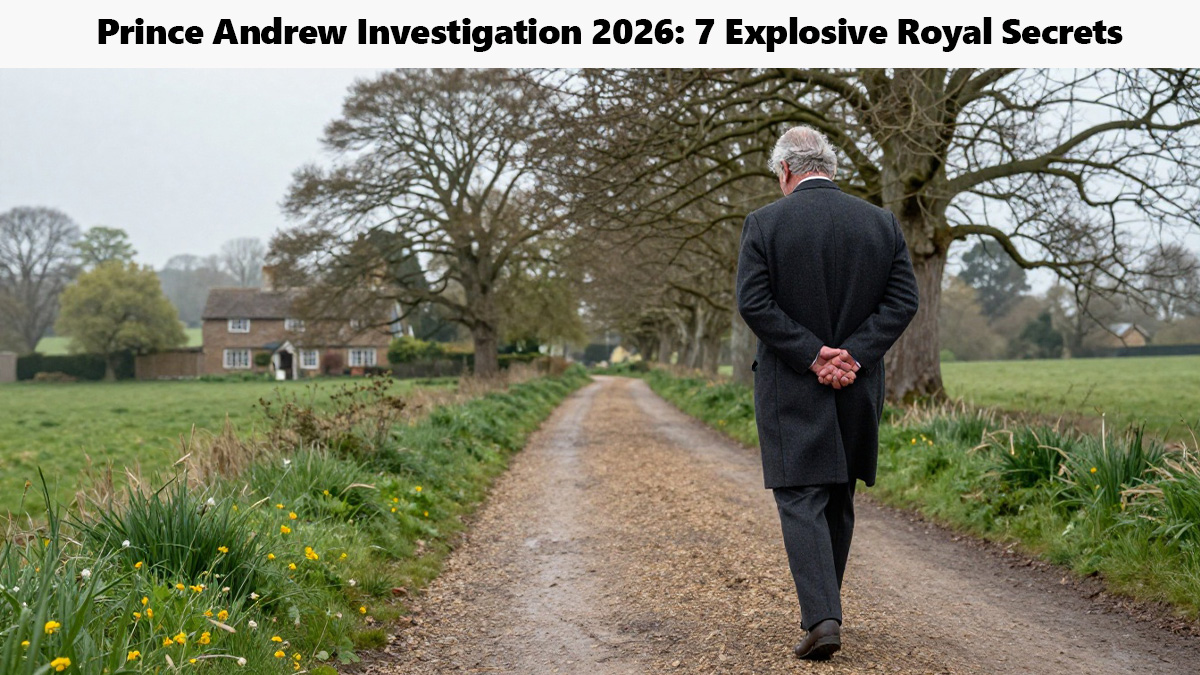
A single Norfolk lane physically separated the two brothers, but emotionally, the distance appeared much greater.
For many Britons, this was the clearest sign yet that the King has drawn a firm line.
Royal Lodge and the Long-Running Family Conflict
Long before the criminal investigation intensified, tensions had already been brewing behind palace walls.
One major source of conflict was Royal Lodge — the sprawling Windsor estate where Prince Andrew lived for years.
Reports released in 2025 revealed financial complications surrounding the property, including claims involving unpaid rent and ongoing security expenses reportedly funded through royal resources.
King Charles allegedly pushed for Andrew to relocate to the smaller Frogmore Cottage in an effort to reduce both costs and controversy.
Andrew resisted.
That disagreement became one of the most public examples of the growing divide between the brothers.
Eventually, Prince Andrew surrendered the Duke of York title, becoming simply Prince Andrew once again. Yet instead of easing tensions, the move appeared to deepen the emotional fracture within the family.
The Prince Andrew Investigation 2026 has now transformed what was once a private property dispute into a constitutional and reputational crisis.
The Trade Envoy Controversy Revisited
Another troubling issue resurfacing during the Prince Andrew Investigation 2026 concerns Andrew’s former role as a UK trade envoy.
Recently released government records reportedly suggested that no formal security vetting took place when he was appointed to the role in 2001.
That revelation shocked many political observers.
At the time, the idea of extensively vetting a senior royal was almost unthinkable. Royal status itself was treated as sufficient trustworthiness.
But hindsight has changed that perception dramatically.
Critics now argue that institutional blind spots allowed problematic relationships and questionable associations to flourish unchecked for years.
The controversy has reignited debates about transparency, accountability, and whether royal family members should hold public-facing government roles without independent oversight.
For younger generations especially, these questions strike at the heart of whether modern monarchy can adapt to contemporary expectations.
Public Pressure Builds on the Monarchy
The Prince Andrew Investigation 2026 is not unfolding quietly.
Public frustration is growing rapidly online and in Parliament.
Petitions demanding Prince Andrew’s removal from the line of succession have reportedly gathered significant support. Meanwhile, several MPs are expected to revisit constitutional questions surrounding royal accountability later this year.
Yet legally, the situation remains complicated.
Removing a royal from the line of succession would require parliamentary legislation — a process filled with political and constitutional risks.
Many lawmakers are cautious about acting while an active criminal investigation is still ongoing.
At the same time, public patience appears thinner than ever.
For King Charles, this creates enormous pressure. He must preserve the monarchy’s image while avoiding actions that could appear politically motivated or legally inappropriate.
That is a difficult line to walk.
What Happens Next?
No official timeline has been announced for the investigation.
Authorities are reportedly continuing to review seized materials while cooperating with American agencies connected to the Epstein files.
Several possible outcomes remain on the table:
1. No Charges Filed
Investigators may ultimately determine there is insufficient evidence for prosecution.
2. Formal Charges
If charges emerge, the constitutional impact would be historic and potentially devastating for the monarchy.
3. Extended Legal Proceedings
The inquiry could continue for months or even years, prolonging public scrutiny and royal instability.
Regardless of the outcome, the damage to Prince Andrew’s public reputation appears irreversible.
And perhaps more importantly, the emotional damage inside the royal family may be permanent as well.
The Prince Andrew Investigation 2026 has become more than a legal inquiry. It is now a test of the British monarchy’s modern identity, credibility, and future direction.
At the center of the storm are two brothers separated not only by circumstance, but by duty, reputation, and public expectation.
King Charles appears determined to protect the institution at all costs, even if that means distancing himself from family. Prince Andrew, meanwhile, remains trapped in a scandal that refuses to fade.
As investigations continue and public scrutiny intensifies, one thing has become painfully clear:
The quiet lane between the two brothers may never fully close again.
About the Author