Order of the Thistle: A Quiet Royal Overhaul Under King Charles
Order of the Thistle may not dominate newspaper headlines, but it remains one of the most prestigious honors in Scotland. While many royal announcements attract global attention, recent changes to this historic order arrived with little fanfare.
Yet these appointments reveal something important.
Under King Charles, the Order of the Thistle appears to be undergoing a subtle transformation. Rather than focusing on political figures or establishment insiders, the latest selections highlight individuals who have shaped Scottish culture, education, and public life through decades of service.
The appointment of two new Knights and a new ceremonial officer signals a thoughtful evolution of one of Scotland’s oldest institutions.
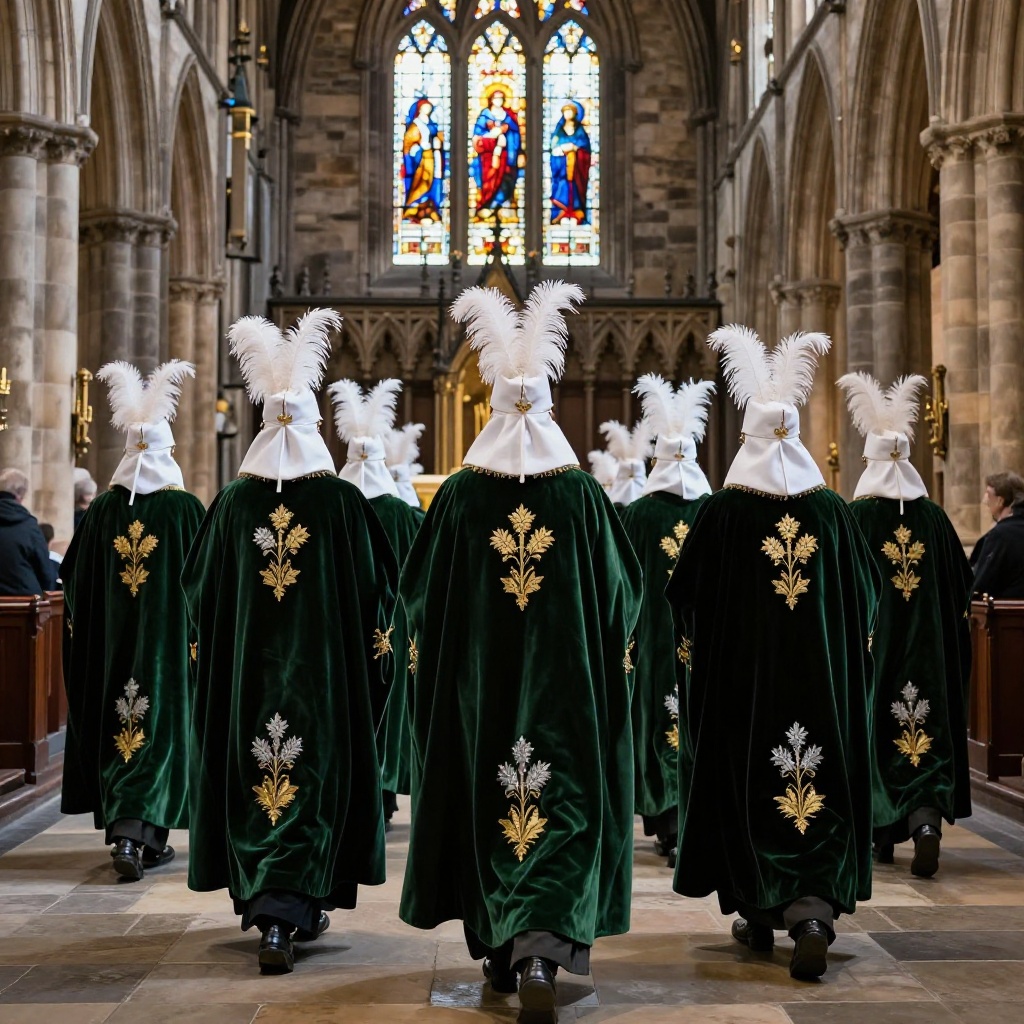
Table of Contents
What Is the Order of the Thistle?
The Order of the Thistle is Scotland’s highest order of chivalry. It is often compared to England’s Order of the Garter, although it remains a far smaller and more exclusive institution.
Membership is limited to only 16 ordinary Knights and Ladies at any one time, making it one of the most selective honors in the United Kingdom.
One of the most distinctive features of the order is that appointments are made solely by the Sovereign. Unlike many honors that involve government recommendations, membership in the Order of the Thistle is entirely the King’s personal choice.
The order traces its origins back centuries. While legends connect it to events as early as AD 809, historians generally recognize its formal establishment by King James VII of Scotland in 1687.
Its famous motto remains:
“Nemo me impune lacessit” — “No one harms me with impunity.”
This phrase has long symbolized Scottish resilience and national identity.
New Members Appointed to the Order of the Thistle
The latest appointments to the Order of the Thistle reflect a modern vision of Scottish achievement.
Sir James MacMillan
Sir James MacMillan has spent decades building a reputation as one of Scotland’s most influential contemporary composers.
His contributions include:
- Internationally acclaimed orchestral works
- Founding the Cumnock Tryst music festival
- Composing music for major national occasions
- Receiving the King’s Medal for Music
His appointment recognizes not only artistic excellence but also his dedication to Scottish cultural life.
Sir Jim McDonald
Sir Jim McDonald represents a different but equally important sphere of influence.
As former Principal and Vice-Chancellor of the University of Strathclyde, he became one of Scotland’s leading voices for engineering, innovation, and economic development.
His achievements include:
- Leadership in higher education
- Advocacy for engineering careers
- Service to technological advancement
- National contributions to research and innovation
His selection demonstrates that the Order of the Thistle values practical contributions that shape everyday life across Scotland.
Baroness Katherine Grainger
While not appointed as a Lady of the Thistle, Baroness Katherine Grainger has taken on the ceremonial role of Usher of the Green Rod.
The Olympic rowing champion brings modern recognition and public visibility to a centuries-old institution.
Her appointment helps bridge the gap between historical tradition and contemporary Scotland.
Why These Appointments Matter
The latest additions to the Order of the Thistle tell a larger story.
Historically, many members came from aristocratic, diplomatic, or political backgrounds.
Today’s appointments suggest a broader interpretation of national service.
Instead of focusing primarily on status, the order increasingly celebrates:
- Cultural leadership
- Educational achievement
- Scientific progress
- Public service
- National contribution
This shift aligns closely with King Charles’s long-standing interest in community development, heritage preservation, and cultural identity.
The message is clear: meaningful impact matters as much as title or position.
The Growing Influence of Culture and Innovation
A New Direction for the Order of the Thistle
One striking feature of the recent appointments is the emphasis on achievement rather than political prominence.
Sir James MacMillan represents Scotland’s creative excellence.
Sir Jim McDonald embodies innovation, engineering, and education.
Together, they symbolize two powerful forces shaping modern Scotland:
- Culture
- Innovation
These appointments reflect an understanding that national strength comes from both artistic expression and technological advancement.
Recognizing Modern Scottish Excellence
The modern Order of the Thistle increasingly highlights individuals whose work has influenced communities, industries, and future generations.
This approach keeps the institution relevant while preserving its historic prestige.
Rather than becoming a relic of the past, the order continues to evolve alongside the nation it represents.
The Unique Traditions of the Order of the Thistle
Few royal ceremonies combine history and symbolism quite like those associated with the Order of the Thistle.
St Giles’ Cathedral
The order’s spiritual home is St Giles’ Cathedral in Edinburgh.
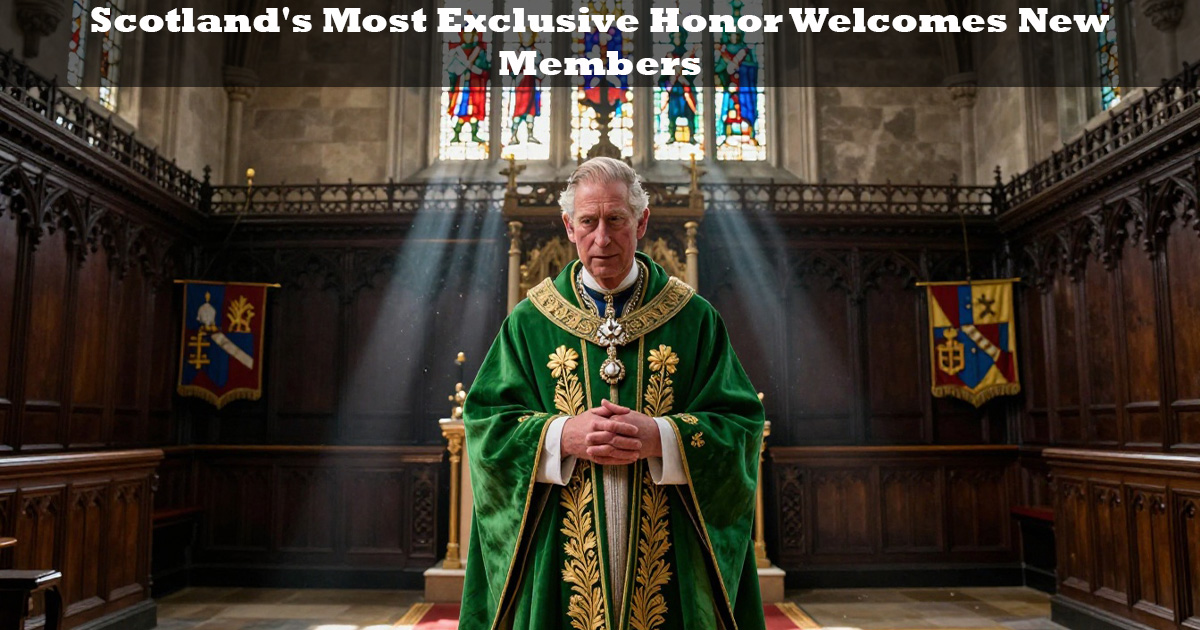
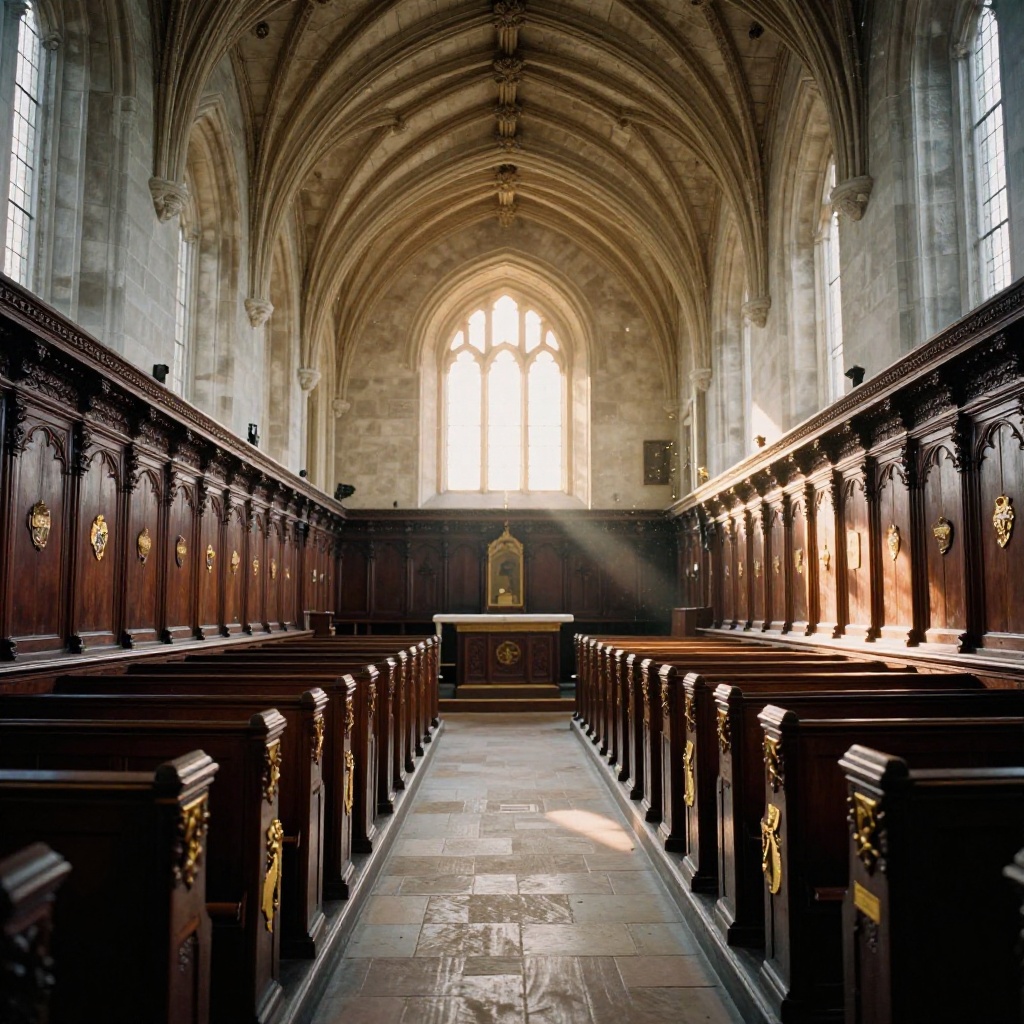
Within the cathedral lies the Thistle Chapel, renowned for its intricate craftsmanship, carved woodwork, and heraldic displays.
Each Knight or Lady is assigned a stall decorated with their personal heraldic symbols.
The Installation Ceremony
The installation ceremony remains one of the most visually impressive royal traditions in Scotland.
Key elements include:
- Processions through Edinburgh
- Ceremonial music
- Heraldic displays
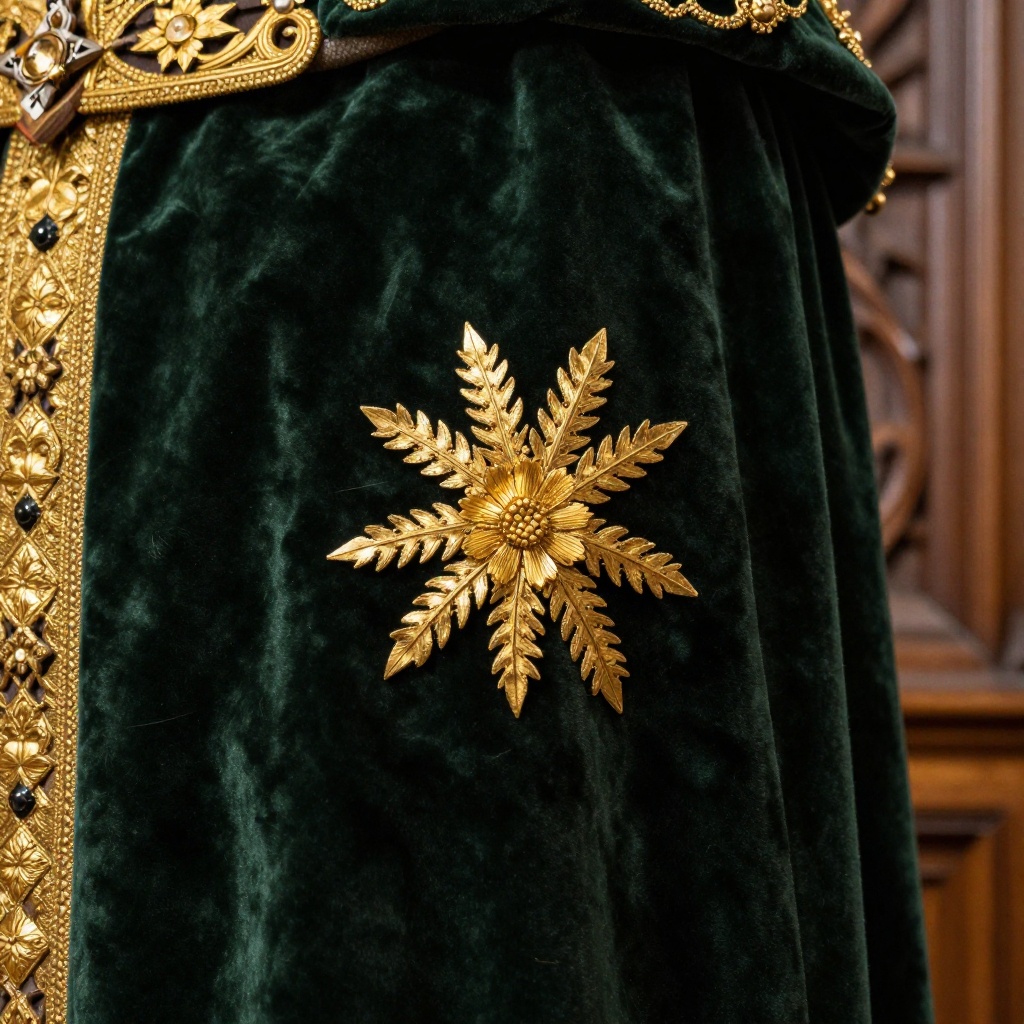
- Green velvet robes
- White ostrich plumes
- Traditional collars and insignia
Despite its spectacular appearance, the ceremony receives far less international attention than similar royal events elsewhere in the United Kingdom.
That relative quietness is part of its charm.
A Ceremony Rooted in Continuity
The installation process links modern recipients with centuries of Scottish history.
Every new Knight becomes part of a tradition that has survived political change, social transformation, and constitutional evolution.
King Charles and His Scottish Connection
The recent evolution of the Order of the Thistle reflects King Charles’s longstanding connection with Scotland.
For decades, he has maintained close ties to Scottish communities, heritage projects, and cultural organizations.
His interest goes beyond ceremonial obligations.
Many observers note that Scotland has played a significant role throughout his public life.
That connection helps explain why appointments to the order appear carefully chosen to reflect modern Scottish identity.
By honoring leaders from culture, education, engineering, and sport, the King reinforces the idea that national achievement takes many forms.
The result is an order that remains deeply traditional while also speaking to contemporary Scotland.
What Happens Next?
A practical question remains.
When will the next installation ceremony take place?
Traditionally, services occur approximately every two years.
The most recent ceremony was held in 2024, leading many royal observers to expect another gathering in 2026.
However, no official date has yet been announced.
Until then, newly appointed members must wait for formal installation.
This is more significant than many people realize.
The ceremonial process is not merely symbolic. Full participation in the order requires installation by the Sovereign during the service at St Giles’ Cathedral.
For now, Scotland’s newest members of the Order of the Thistle remain in a unique position: honored, appointed, and awaiting the final ceremonial step.
About the Author