When tradition met an unforgiving heatwave
The Guard Change heatwave cancellation became one of the most talked-about moments in London this summer.
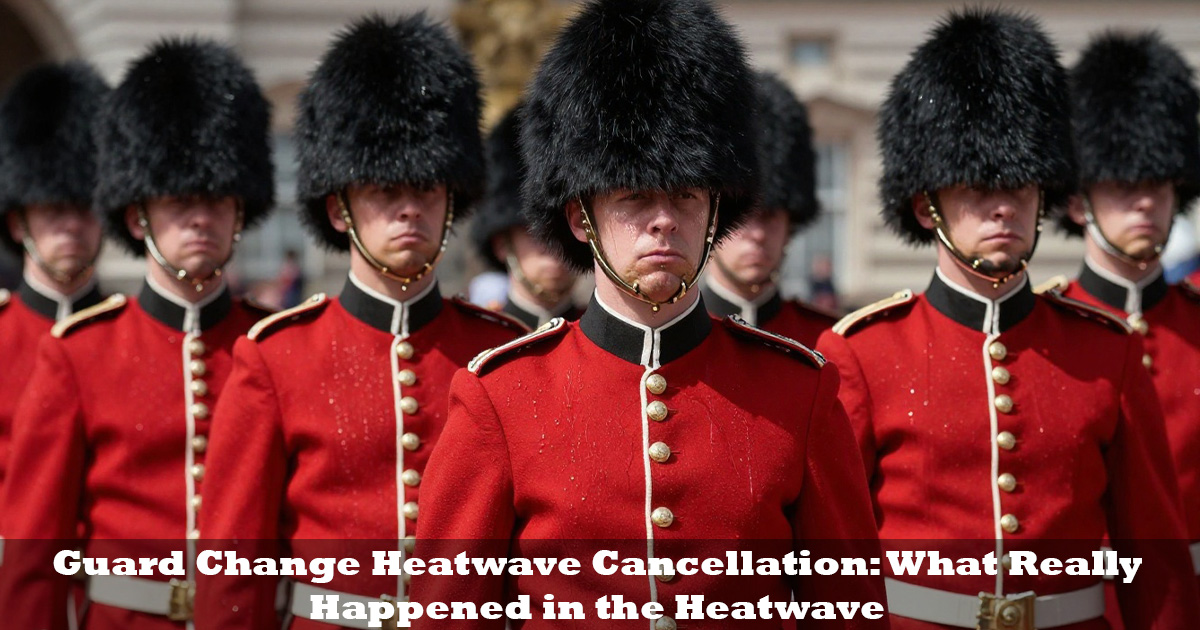
At Buckingham Palace, a ceremony known for precision, pride, and centuries-old tradition suddenly fell silent. For four days, the familiar sight of red tunics, polished boots, and tall bearskin hats left the forecourt.
Instead of ceremony and music, heat took over—relentless, heavy, and exhausting.
The Guard Change heatwave cancellation was not just a scheduling decision. It reflected how even the most iconic traditions must pause when human safety comes first. As temperatures rose across London, the situation felt less like a disruption and more like a necessary pause in history.
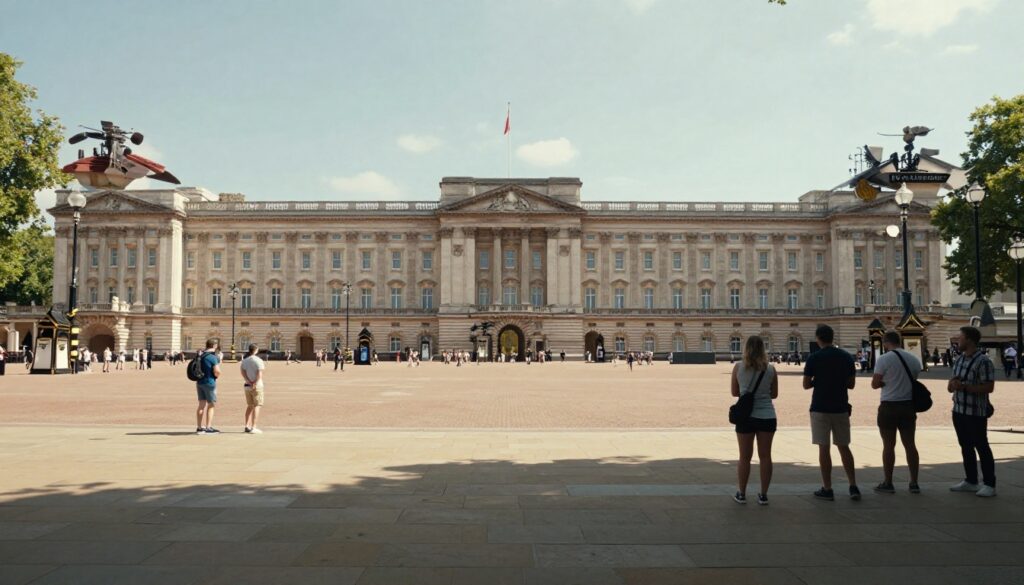
Table of Contents
Guard Change heatwave cancellation triggered by extreme heat alert
The Guard Change heatwave cancellation started after the Met Office issued a rare red extreme-heat warning. This alert level is uncommon in the UK and signals dangerous conditions even for healthy people.
Temperatures rose above 32°C, and some forecasts reached nearly 40°C in parts of the country. The risk quickly became impossible to ignore. Soldiers wearing heavy ceremonial uniforms stood under direct sunlight on hot pavement for long periods.
The Household Division clearly focused on safety. It said troops and military horses would not face conditions that could cause heat exhaustion or worse.
At that point, continuing the ceremony would not have felt like a celebration. It would have created a serious health risk.
Guard Change heatwave cancellation: Why safety came before ceremony
At the heart of the Guard Change heatwave is a simple truth: tradition cannot override human limits.
Ceremonial guards wear thick wool uniforms, stiff collars, and iconic bearskin caps that weigh several pounds. These outfits were never made for modern heatwaves. In normal weather, they work fine. In extreme heat, they become dangerous.
Standing still under direct sunlight for long periods increases the risk of:
- Heat exhaustion
- Dehydration
- Dizziness and fainting
- Loss of coordination
The decision to pause the ceremony shows modern military responsibility. Safety now comes before spectacle, even at one of the world’s most photographed landmarks.
How the heatwave affected London during the Guard Change heatwave cancellation
The Guard Change heatwave did not happen in isolation. It formed part of a wider disruption across London.
The city faced one of its most intense heatwaves in years. Transport systems slowed trains, schools changed schedules, and public spaces grew unusually quiet during peak afternoon hours.
London is usually mild and often rainy, so the sudden heat put visible strain on daily life. Pavements shimmered under the sun, parks emptied at midday, and even famous landmarks felt still.
This pressure made the cancellation feel not just logical, but unavoidable.
What tourists experienced during the pause
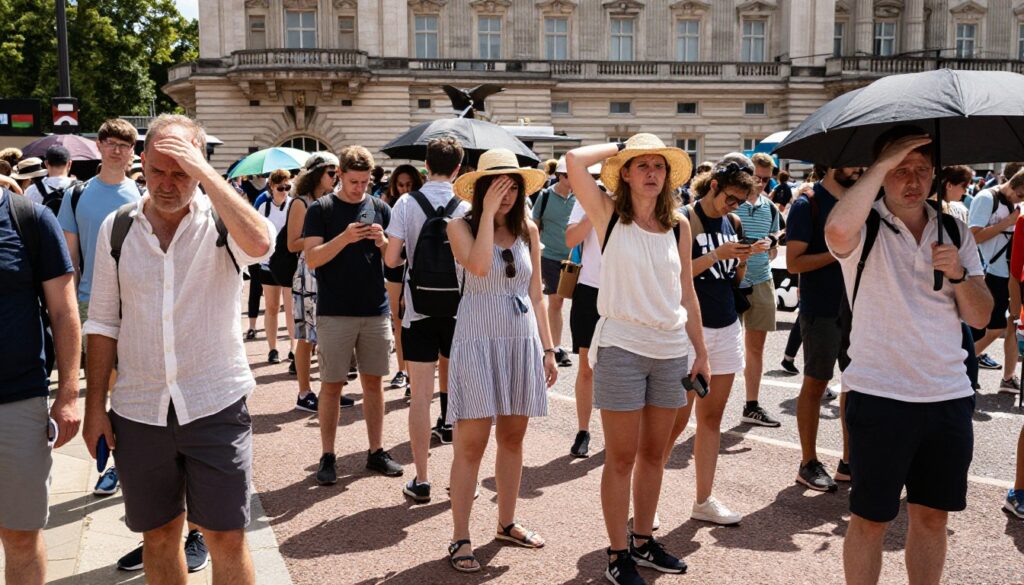
For many visitors, the Guard Change heatwave came as a surprise. Tourists planned their day around the ceremony and arrived at Buckingham Palace expecting marching bands and precision drills.
Instead, they found silence.
Some visitors checked their phones in disbelief. Others stayed near the gates, hoping for a delayed performance. No ceremony took place.
Still, not everything was lost. Many visitors changed their plans and moved to shaded museums, indoor royal exhibitions, or early morning sightseeing tours.
Disappointment felt natural, but the situation also showed something important. Even world-famous traditions must face the reality of extreme climate conditions.
The role of soldiers and horses in extreme heat
One of the most important reasons behind the Guard Change heatwave was the welfare of both soldiers and horses.
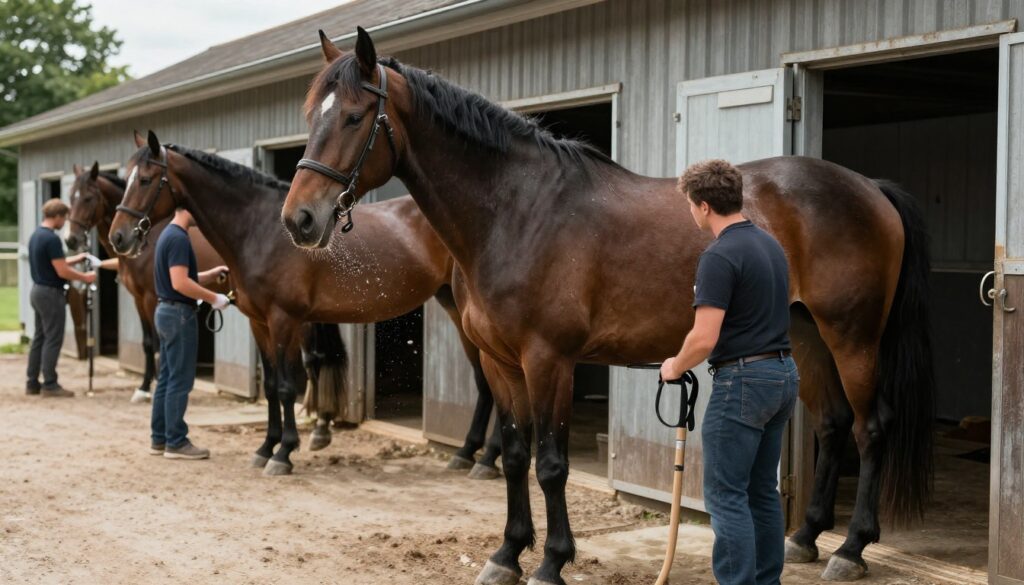
Military horses used in ceremonial duties are highly trained but sensitive to overheating, especially on hot asphalt. Their health is closely monitored, and in extreme conditions, even short exposure can cause distress.
Similarly, soldiers standing in full ceremonial dress face physical strain that is often underestimated. The combination of heavy fabric, still posture, and direct sunlight creates a high-risk environment.
During the heatwave, adjustments were still made behind the scenes:
- More frequent sentry rotations
- Early morning horse movements
- Increased shade breaks
- Veterinary monitoring for cavalry units
These quiet adaptations ensured that the system could continue functioning safely, even without the public ceremony.
Historical context of previous cancellations
The Guard Change heatwave cancellation is rare, but it has happened before.
History shows the ceremony has paused for many reasons:
- National security operations
- Major public emergencies
- The COVID-19 pandemic
- Extreme weather events
The tradition goes back centuries. It began as royal household duties in the 17th century. Over time, it grew into the formal ceremony seen today.
What makes this case different is the reason for the pause. Climate conditions caused it alone. This shows how traditions now adjust to a changing environment.
What happens after the Guard Change heatwave cancellation
The good news is that the Guard Change heatwave cancellation is temporary.
When temperatures return to safe levels, the ceremony will start again. The music will return. The marching will return. The drills will return.
There is no permanent change to the royal schedule. There is no long break in ceremonial duties.
These pauses show the strength of tradition. They prove the ceremony is not weak. It can adapt when needed.
When the weather improves, visitors will see the full experience again. Many may even enjoy it more after the break.
About the Author