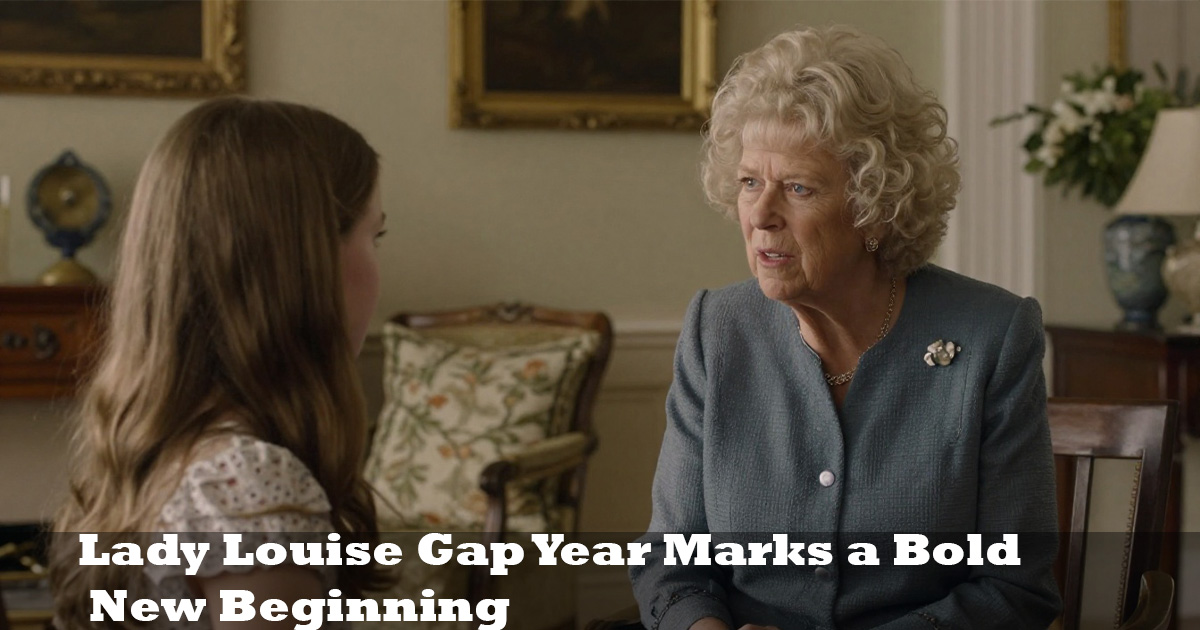
The Lady Louise gap year begins a new and quiet chapter in modern royal history.
When Lady Louise Windsor graduated from University of St Andrews, expectations were simple: she would either step into royal duties or begin formal public life.
As a result, the situation surrounding the Lady Louise gap year is not about stepping forward into duty; rather, it represents a deliberate move toward independence.
In fact, this decision reflects a broader shift in how younger royals are now shaping their own futures.
it highlights how the modern monarchy is gradually adapting to more personal and flexible life choices. this marks a clear evolution in royal expectations compared to previous generations.
And that decision reflects a much larger change inside the monarchy itself.

Table of Contents
The Lady Louise marks a modern royal shift
Younger royals are no longer automatically absorbed into official duties, as seen in Lady Louise’s example.
In earlier generations, graduation often meant entering structured royal work. Today, that path is optional.
Even under the reign of King Charles III, the monarchy is becoming smaller and more focused.
The Lady Louise fits perfectly into this new reality.
How St Andrews shaped the Lady Louise gap year
At University of St Andrews, Lady Louise experienced something rare for a royal: normal student life.
She studied English, lived independently, and avoided heavy public attention.
That environment naturally influenced the Lady Louise. it gave her time to reflect instead of rushing into royal duty.
In addition, this period of reflection helped shape her growing independence and, as a result, influenced her future choices.
Her time at university was not preparation for a throne role—it was preparation for personal choice.
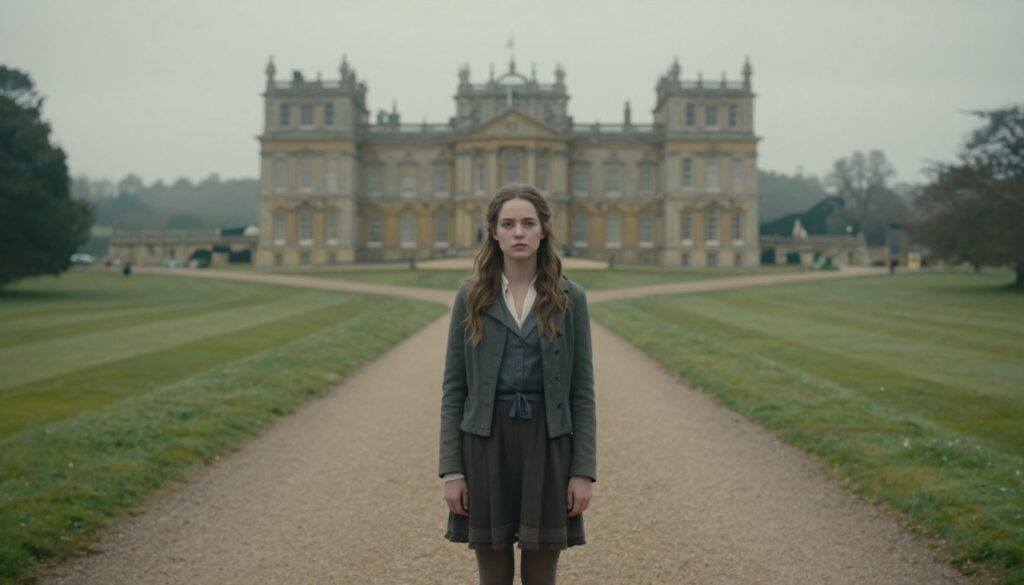
Family influence behind the Lady Louise
Her mother, Sophie, Duchess of Edinburgh, has openly said her children were raised with the expectation of working for a living—not relying on royal status.
This approach aligns with Princess Anne, who encouraged independence in her own children.
Even cousins like Zara Tindall built careers outside royal duties.
So the Lady Louise is not sudden—it is intentional upbringing coming to life.
Career paths after the Lady Louise gap year
The Lady Louise opens several future paths, each realistic and independent.
Military service
A possible direction, though rare among modern female royals.
Law or diplomacy
Her academic background supports careers in public service or international relations.
Private profession
She could follow her cousins and build a life completely outside royal obligations.
Before university, she already worked in retail and event roles.
Consequently, she demonstrated real-world independence from an early age.
This makes the Lady Louise feel like preparation, not delay.
Why the monarchy supports the Lady Louise gap year
The modern monarchy is no longer built around a large extended working family.
With fewer official royals supporting Prince William, Prince of Wales, duties are concentrated among a small core group.
In this structure, the Lady Louise is not a problem—it is expected.
There is simply less need for additional working royals in the public system.
Public Reaction to Her Gap Year
Lady Louise’s situation shows a sign of quiet modernization in the royal family.
Rather than causing controversy, it reflects growing acceptance that younger royals can choose their own direction.
In fact, this shift contrasts sharply with older expectations, where people assumed royal roles instead of choosing them.
Now, independence is becoming normal—even within royal circles.
What comes next after the Lady Louise gap year
The Lady Louise is only the beginning of her adult journey.
Possible outcomes include:
- Continuing studies
- Working internationally
- Entering a professional career
- Remaining completely private
Unlike past generations, there is no pressure to declare a royal role.
That freedom is what makes this moment historically important.
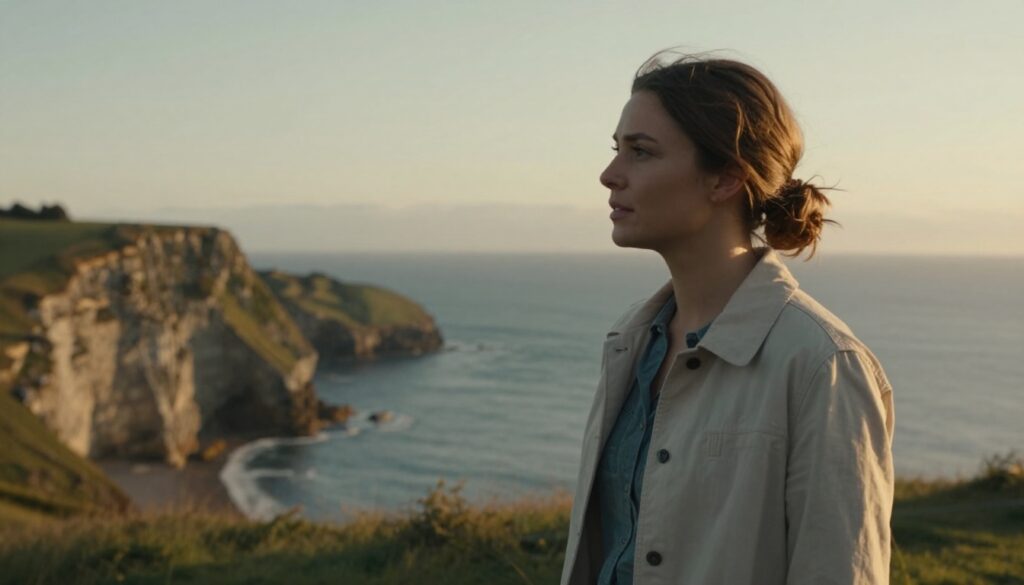
What the Lady Louise gap year truly represents
The Lady Louise gap year is more than just a break after graduation. In fact, it reflects a changing monarchy.
For Lady Louise Windsor, it represents freedom, personal growth, and independence. At the same time, it gives her the opportunity to explore future career options.
Meanwhile, for the royal family, it confirms a modern approach in which duty is no longer automatic for every younger royal.
Although the Lady Louise may look like a pause, in reality, it signals a lasting shift toward personal choice over obligation. Ultimately, this decision highlights how the monarchy continues to evolve with changing times.
Ultimately, this change defines the future of royalty today.
About the Author