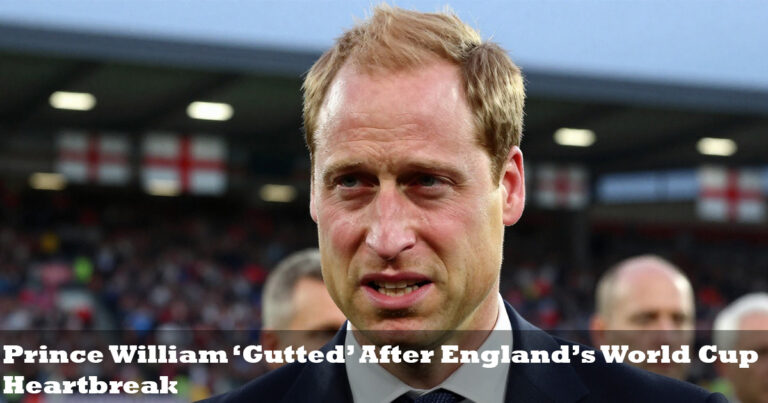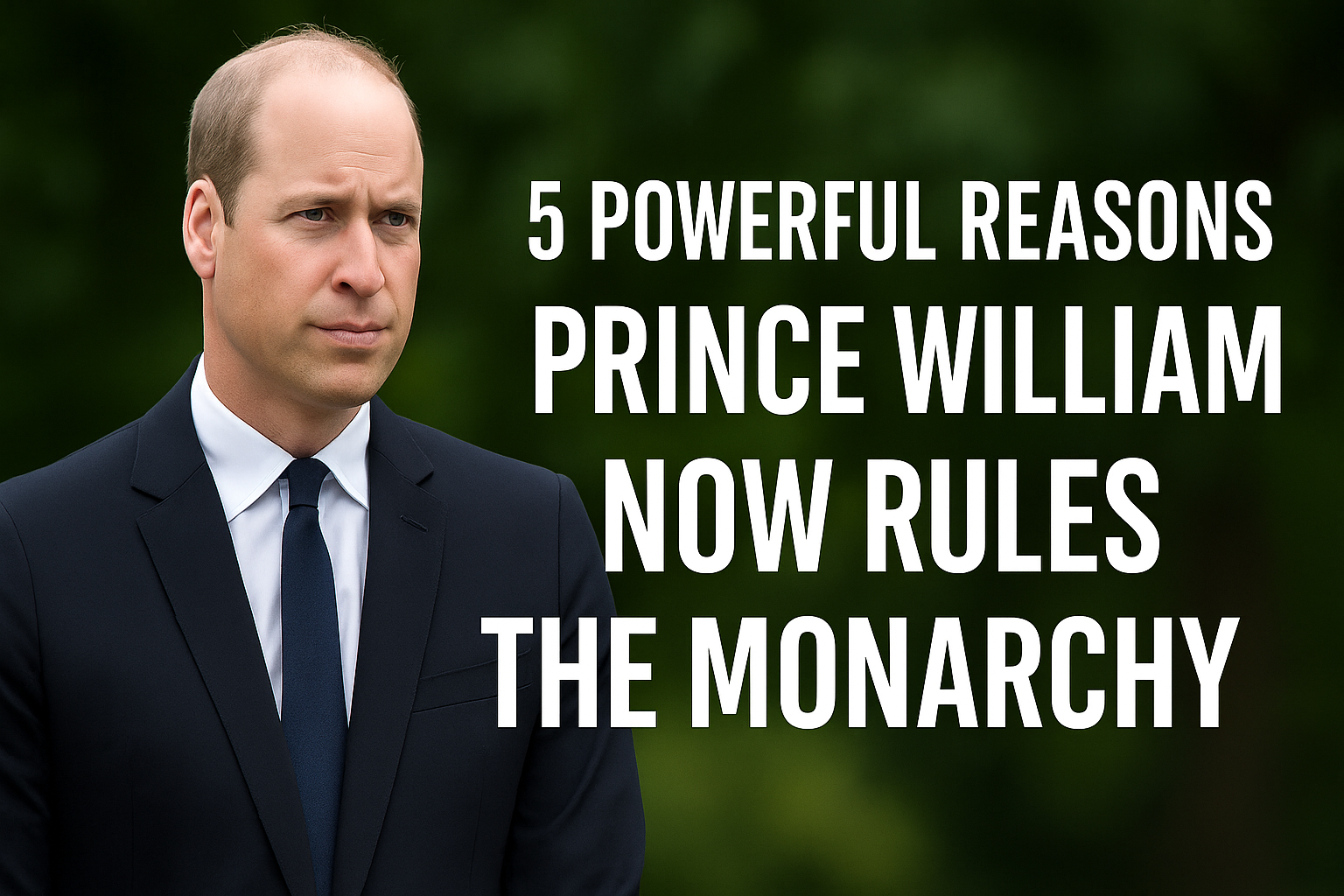
Prince William Redefines Modern Royal Leadership
Prince William emerges as the real force behind the monarchy. Discover five powerful reasons he’s leading royal transformation and shaping Britain’s future.
In today’s Britain, the monarchy’s direction has quietly shifted. The Crown may rest on King Charles III’s head, but Prince William’s leadership now defines how the royal family operates and connects with the public.
Over the last decade, the prince has become the true anchor of royal identity — combining tradition with authenticity, and duty with empathy. Prince William rise reflects not just inheritance but influence, built through years of quiet, deliberate service.
In a world where institutions struggle to stay relevant, he has restored trust through his actions, his vision, and his unwavering composure. Here are five powerful reasons why this modern royal now stands as the monarchy’s guiding force.
1. Prince William Leads the Monarchy with Modern Vision
The future King has brought fresh purpose to an ancient institution. While older generations focused on ceremony, he has redefined royal duty as meaningful impact. His initiatives show that leadership today requires action, empathy, and accountability.
Through his environmental work, particularly with The Earthshot Prize, he has positioned the royal family as champions of sustainability. The project, which funds global solutions to climate challenges, demonstrates how royalties can drive innovation rather than merely observe it.
His involvement in United for Wildlife also reflects this new approach. By uniting governments, corporations, and NGOs against illegal animal trafficking, the Duke of Cambridge has shown that royal platforms can be instruments of global good.
Unlike past leaders, the prince connects with people as an equal. He speaks directly, listens attentively, and uses his visibility to highlight human stories rather than royal privilege. The shift is profound — a monarchy that listens rather than commands.
Every appearance reinforces a sense of purpose. Each speech feels grounded in genuine care. This modern, service-oriented leadership has turned public admiration into something deeper — confidence in the monarchy’s relevance.
Prince William Leadership Reflects Modern Public Service
The idea of Prince William Leadership goes far beyond ceremonial appearances. It represents a conscious shift from privilege to purpose. The prince treats every engagement as a chance to deliver measurable change rather than public relations optics. From championing environmental reforms to advocating mental health awareness, his actions define a new model of royal responsibility. He leads through involvement, showing that monarchy can thrive when it listens and contributes. This evolution has reshaped what people expect from their royals — relevance, empathy, and tangible results instead of tradition alone.
2. A Leader Who Commands Public Trust
Trust defines authority, and the prince holds more of it than any royal since the late Queen Elizabeth II. Across polls and generations, he consistently ranks as the family’s most respected figure.
Older Britons recognize his sense of duty and steadiness, while younger audiences respond to his humanity. They see a father, a husband, and a man who balances public life with real emotion.
Prince William partnership with Catherine, Princess of Wales, strengthens this image. Together, they model modern royal life — professional, warm, and authentic. Their shared purpose and open communication make them relatable to millions who see in them a reflection of their own values.
When scandals shake the palace, his calm presence steadies the institution. During family crises, he remains dignified and silent, allowing integrity to speak louder than defense. In an age when controversy spreads instantly, his composure preserves credibility.
That reliability has become his greatest strength. Citizens may debate the future of the monarchy, but they rarely question its character. His consistency, sincerity, and quiet resolve make him the royal family’s moral center.
3. The Face of a Responsible, Modern Monarchy
As the royal heir, he represents a generation that values responsibility over privilege. His leadership has redefined what monarchy means in an age of transparency.
Prince William has redirected royal focus toward social relevance — from mental health awareness to homelessness and environmental reform. The Heads Together campaign, which he launched alongside Catherine and Prince Harry, broke the silence surrounding mental health and encouraged open dialogue nationwide.
Through initiatives like these, the prince connects policy, compassion, and public awareness. Prince William demonstrates that royal titles can serve practical goals, not ceremonial obligations.
Internally, he has also streamlined operations within the royal household, supporting efficiency and accountability. He pushes for modernization without dismantling heritage.
By doing so, Prince William’s leadership bridges two worlds — one rooted in history, and another that demands progress. His approach ensures that the monarchy remains not just respected, but relevant.
4. Balancing Tradition and Change
One of his greatest achievements is the harmony between old values and new ideas. He respects the rituals that define the monarchy yet adapts them to reflect modern sensibilities.
At state ceremonies, he honors heritage but frames it through inclusivity. His addresses are less about power and more about unity. By reshaping tone and intent, he has given royal traditions renewed meaning.
Unlike some predecessors, the prince welcomes openness. He engages the press selectively but sincerely, using public attention to promote good causes rather than to defend his image. His communication style — professional, restrained, and thoughtful — has earned respect from even skeptical journalists.
The monarchy’s relationship with the media and citizens has always been delicate. Prince William method offers a model for balance: transparency without exposure.
Digitally, he understands the importance of presence. Through controlled yet engaging social media outreach, the royal household highlights real stories — frontline workers, charities, and global youth — aligning monarchy with purpose instead of privilege.
In essence, he modernizes by example. The institution evolves not because he commands it to, but because his behavior makes evolution unavoidable.
5. A Symbol of Stability and Emotional Intelligence
Powerful leadership often reveals itself in restraint. The future King rarely reacts impulsively. Whether dealing with family controversies, global crises, or intense media speculation, his calm steadiness earns respect.
After the death of Queen Elizabeth II, his public poise helped the nation process collective grief. During the COVID-19 pandemic, his quiet empathy for families and frontline workers reinforced the monarchy’s role as a unifying force.
His commitment to mental health awareness shows emotional intelligence rarely seen in royal history. He speaks about vulnerability without weakness, turning personal loss into collective strength.
Behind the scenes, those who work with him describe a leader who listens more than he speaks. He prefers collaboration over command. This temperament has strengthened trust within palace operations and among international partners.
In turbulent times, the Crown’s survival often depends on emotional stability. The prince embodies that quality fully. Through empathy and consistency, he reassures a nation searching for grounded leadership.
A Gradual Rise to Authority
There was no single event that made him the monarchy’s unofficial ruler. His influence grew quietly, built on credibility and reliability.
Within palace structures, his voice now carries considerable weight. Advisors and officials note that strategic planning increasingly aligns with his views. Even communications — long a royal vulnerability — now mirror his tone: disciplined, direct, and empathetic.
Publicly, Prince William image has overtaken that of older royals. News outlets frame him as the family’s leader, and citizens look to him for reassurance. Without fanfare, he has become the monarchy’s emotional and operational compass.
That steady accumulation of trust — not ceremony — has made him the monarchy’s central figure. His leadership is not bestowed by law but earned through service.
A Father, a Husband, and a Public Servant
The foundation of Prince William’s leadership lies in humanity. His priorities revolve around family as much as they do duty.
He and Catherine have created a model of royal family life rooted in normalcy. They attend school events, volunteer with charities, and maintain routines familiar to ordinary parents. This relatability bridges the emotional distance once common between royals and citizens.
His family represents continuity and compassion — qualities that make the monarchy feel personal again. People no longer see him as a distant figure of power but as a man who lives the values he preaches.
That authenticity has redefined the royal image far more effectively than speeches or campaigns could. It is a quiet revolution, transforming perception from reverence to respect.
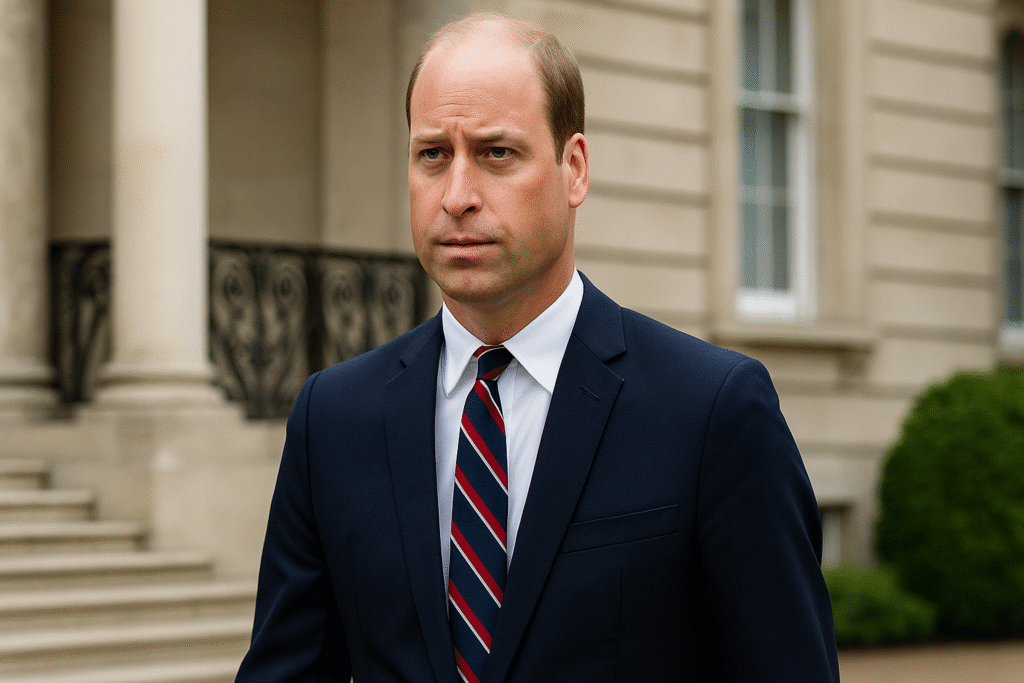
Partnership with King Charles III
Observers often describe their dynamic as a balance of legacy and innovation. The King provides continuity; his son ensures evolution.
The two share mutual respect, though their styles differ. The father focuses on long-term vision, while the son emphasizes adaptability. Together, they represent a generational bridge — tradition upheld through change.
While Charles remains the constitutional monarch, much of the institution’s modernization bears his son’s signature. Their collaboration shows that shared leadership can sustain the monarchy in uncertain times.
Far from rivalry, their relationship functions as a transition — a graceful handover from history to the future.
Catherine’s Role in Strengthening Leadership
No modern royal partnership has captured public admiration like that of the Prince and Princess of Wales. Her composure and commitment complement his vision perfectly.
Catherine’s initiatives in early childhood development, mental health, and education amplify his efforts. Her empathy softens his formality, creating a leadership duo both approachable and professional.
Together, they present unity and balance — qualities essential to maintaining trust. In an institution often divided by perception, their teamwork stands as its strongest asset.
The couple’s visibility, while carefully managed, conveys approachability. Citizens view them as relatable figures, not distant royals. This partnership reinforces not just the monarchy’s image, but its connection to the people it serves.
Influence Beyond Britain
Prince William authority extends far beyond British borders. Internationally, the prince has become a respected statesman, representing the Crown with humility and purpose.
At climate summits, Commonwealth meetings, and diplomatic events, his tone reflects empathy rather than entitlement. Global leaders recognize in him a figure of steady moral influence rather than political ambition.
Through environmental advocacy and humanitarian diplomacy,Prince Williamprojects Britain’s soft power with credibility. In a world skeptical of royal relevance, his example redefines what global influence from a monarch can look like.
A Measured Relationship with the Media
Historically, the monarchy’s relationship with journalists was adversarial. Under Prince William’s leadership, it is strategic and disciplined.
Prince William grants access selectively and prioritizes substance over exposure. This approach limits gossip while ensuring that public focus remains on issues rather than image.
His restraint also protects his family’s privacy, allowing his children to grow outside the relentless spotlight. This combination of openness and control has rebalanced the royal relationship with the press — something that eluded his predecessors.
By maintaining respect without dependence, he manages to shape public narrative while avoiding exploitation. The result is lasting credibility.
The Future King’s Role in Redefining Royal Communication
Under Prince William Leadership, royal communication has become deliberate and strategic. The prince recognizes that the monarchy’s voice must adapt to a faster, more transparent media landscape. Instead of relying on press coverage to build image, he directs the conversation through authenticity. His public addresses focus on service and shared humanity, not grandeur. Digital posts highlight unsung heroes rather than royal privilege. This clarity of message ensures the monarchy remains credible in an era where every word is scrutinized and every headline shapes public opinion.
Why His Leadership Matters Now
The monarchy’s survival has always depended on relevance. In an age of political cynicism and digital noise, the royal family’s endurance relies on its human face — and that face is his.
Prince William provides what many institutions lack: emotional continuity, moral stability, and long-term vision. His influence transcends ceremony, giving meaning to a role often dismissed as symbolic.
At a time when other public figures chase attention, he earns admiration through restraint. His style signals that leadership can be quiet, thoughtful, and effective.
Conclusion: The Crown Already in Motion
Though the coronation may still lie ahead, the transfer of power has already happened in spirit. Through his choices, demeanor, and achievements, Prince William bleadership defines how Britain sees its monarchy today.
He has transformed the royal image without rebellion, proving that reform can come from within. His influence has shifted the Crown from tradition to transformation — from inheritance to integrity.
Britain’s royal story now centers on service, compassion, and authenticity. And it is the future King who embodies those ideals best.
He doesn’t need a throne to lead; his leadership already reigns.
Royal Expert Claims Prince William Is Essentially Functioning as King Right Now
“5 Powerful Shifts in Prince Harry’s UK Return Story”
About the Author