Peter Phillips Wedding: 5 Essential Details About the Cotswolds Ceremony
The Peter Phillips Wedding captured attention not because of grand royal spectacle, but because of its refreshing simplicity. While many royal weddings are associated with palace balconies, televised processions, and worldwide media coverage, this celebration took a very different path.
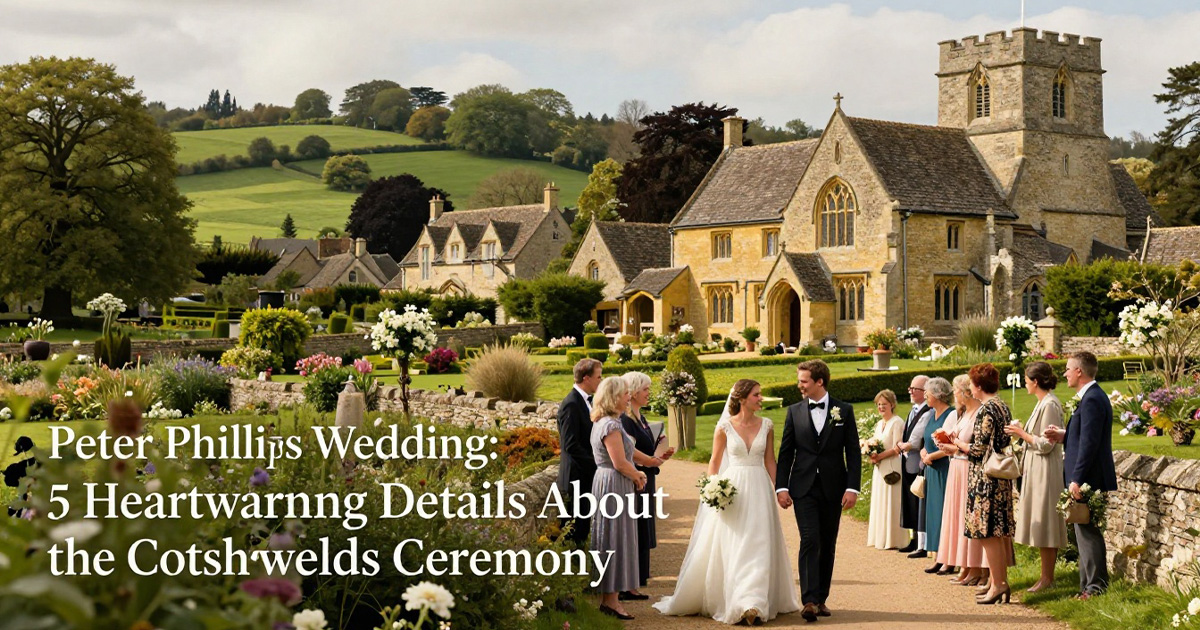
Held on June 6, 2026, in the beautiful Cotswolds countryside, Peter Phillips and Harriet Sperling chose a deeply personal and private ceremony that reflected family values rather than royal protocol. Set against the backdrop of a charming village church and followed by a relaxed reception at Gatcombe Park, the event showcased a quieter side of royal life.
For royal watchers and casual readers alike, the wedding offered a fascinating glimpse into how members of the Royal Family celebrate important milestones away from the spotlight.
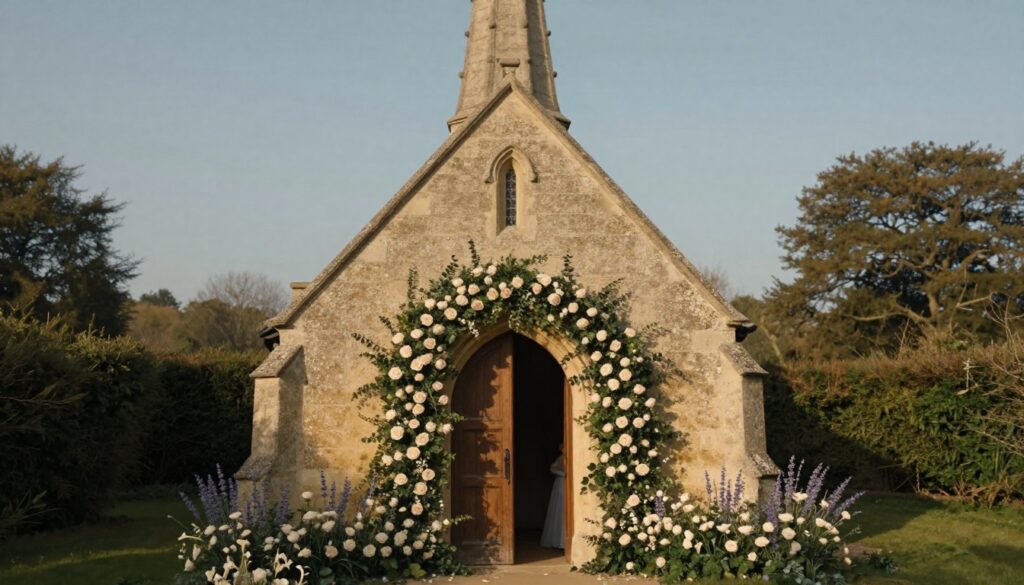
Table of Contents
A Traditional Village Church
One of the most talked-about aspects of the Peter Phillips Wedding was its location.
Instead of choosing a famous royal venue in London, the couple exchanged vows at All Saints Church in Kemble, a peaceful Gloucestershire village church located in the heart of the Cotswolds.
The choice was no surprise to those familiar with Peter Phillips’ upbringing. He grew up near Gatcombe Park, the private estate of his mother, Princess Anne. The surrounding countryside has long been considered the family’s home base away from official royal duties.
The church itself reflects everything the couple appeared to value:
- Privacy
- Tradition
- Family connections
- Community spirit
Unlike state occasions, there were no elaborate processions or public celebrations. The focus remained firmly on family, faith, and personal relationships.
This countryside setting gave the Peter Phillips Wedding a warm and authentic atmosphere that many observers found refreshing.
The Royal Guest List
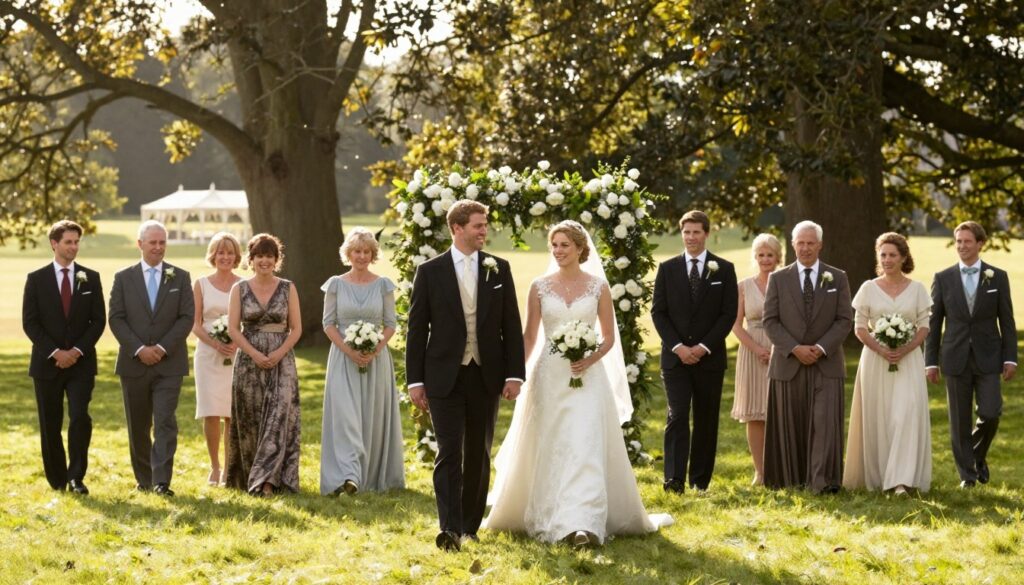
Although the ceremony was intimate, the guest list still included several senior members of the Royal Family.
Key Attendees Included:
- King Charles III
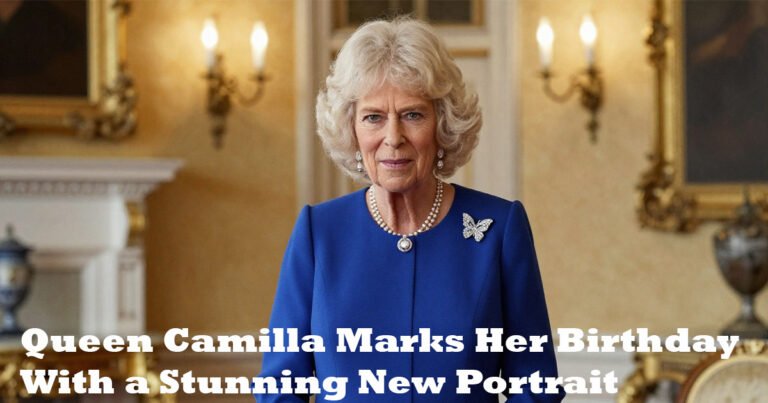
- Queen Camilla
- Prince William
- Princess Catherine
- Zara Tindall
- Mike Tindall
- The Duke and Duchess of Edinburgh
- Stephanie Phillips
The gathering demonstrated the close-knit nature of Princess Anne’s branch of the family.
Unlike larger royal events that often involve extensive guest lists and international dignitaries, this occasion centered on relatives and close friends.
Many royal experts viewed attendance by senior royals as a sign of strong family support for Peter Phillips and Harriet Sperling.
The wedding highlighted the importance of family unity while maintaining the low-profile approach that Peter Phillips has embraced throughout his life.
A Modern Blended Family Celebration
Perhaps the most meaningful aspect of the Peter Phillips Wedding was its focus on family.
The ceremony wasn’t simply about two people getting married. It celebrated the joining of an already established household.
Peter Phillips’ daughters, Savannah and Isla, played important roles in the day. Harriet Sperling’s daughter, Georgina, was equally involved.
Together, the three teenagers reportedly helped shape elements of the service and stood alongside the couple during the celebration.
Why This Matters
Modern families come in many forms, and this wedding reflected that reality.
Rather than presenting the event as the start of a new family, the couple emphasized the strength of relationships already built over several years.
This approach resonated with many people because it felt genuine and relatable.
Key themes included:
- Family unity
- Inclusion
- Shared experiences
- Long-term commitment
In many ways, this modern family focus made the Peter Phillips Wedding feel particularly relevant to today’s world.
The Derby Day Timing Challenge
One of the biggest logistical stories surrounding the wedding involved timing.
Royal fans frequently searched online for details about the ceremony schedule, hoping to learn exactly when events would take place.
However, the couple maintained a high level of privacy.
No official public timetable was released.
What was known, however, was that the wedding coincided with one of Britain’s most famous horse racing events—the Derby at Epsom.
Royal Scheduling Considerations
King Charles III and Queen Camilla had commitments related to the Derby, including attendance at the race and trophy presentation.
As a result:
- They attended the church ceremony.
- They departed shortly afterward.
- Other family members remained for later celebrations.
Prince William and Princess Catherine were expected to stay longer and participate in the evening festivities.
The scheduling challenge demonstrated how royal family members often balance personal milestones with public responsibilities.
Even so, the wedding itself remained the priority for those closest to the couple.
The Reception at Gatcombe Park
After the ceremony, guests traveled to Gatcombe Park for the reception.
For royal enthusiasts, this venue holds special significance.
Gatcombe Park has long served as Princess Anne’s private residence and remains one of the Royal Family’s most cherished countryside homes.
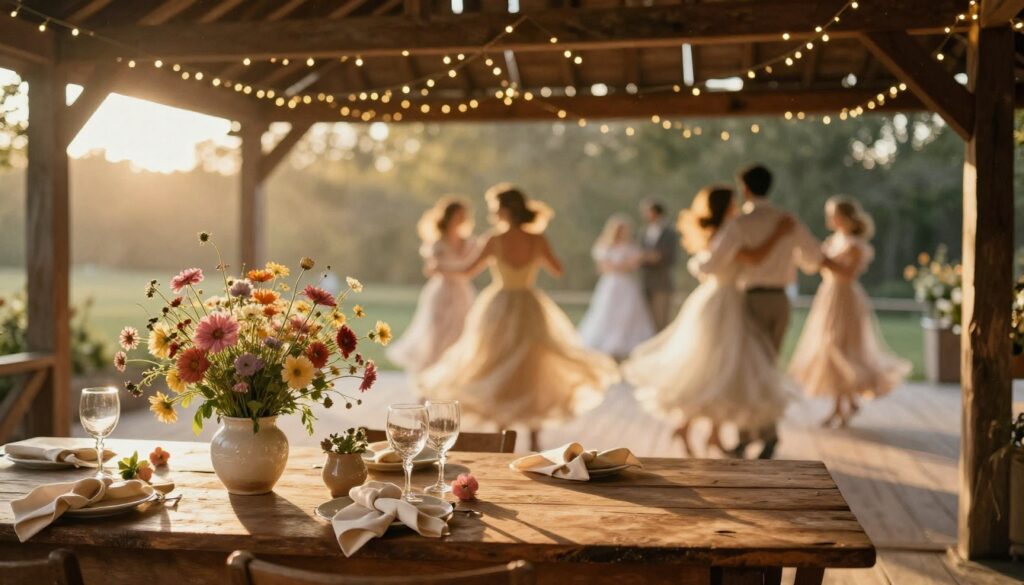
The reception reportedly embraced a relaxed and welcoming atmosphere.
Highlights of the Celebration
Guests enjoyed:
- Rustic countryside surroundings
- Traditional stone barns
- Long communal dining tables
- Evening entertainment
- Family-focused celebrations
Rather than creating a highly formal event, the couple opted for a gathering that encouraged conversation and connection.
Reports suggested that the entertainment reflected local traditions, with a regional band providing music for the evening.
The atmosphere aligned perfectly with the broader theme of the Peter Phillips Wedding—elegant without being extravagant.
As the evening progressed, family and friends celebrated well into the night, surrounded by the rolling hills and scenic beauty of the Cotswolds.
Why the Peter Phillips Wedding Stands Out
Royal weddings often become global media events.
This one was different.
The Peter Phillips Wedding stood out because it demonstrated that royal celebrations do not always need grandeur to be meaningful.
Key Reasons It Captured Attention
1. A Private Approach
The couple intentionally kept details limited and avoided unnecessary publicity.
2. Strong Family Focus
Children and family relationships played a central role throughout the day.
3. Countryside Charm
The Cotswolds provided a beautiful and authentic backdrop.
4. Royal Tradition with Modern Values
The event balanced royal heritage with contemporary family dynamics.
5. Genuine Simplicity
Rather than emphasizing status, the wedding focused on people and relationships.
This combination created an event that felt both royal and remarkably relatable.
The Enduring Appeal of Low-Key Royal Weddings
The wedding also continued a tradition often associated with Princess Anne’s family.
Many observers compared it to Zara Tindall’s 2011 wedding, which similarly avoided excessive formality.
There appears to be a consistent preference within this branch of the family for celebrations that prioritize:
- Close family ties
- Community connections
- Practicality
- Authentic experiences
This approach has helped create some of the most memorable royal occasions precisely because they feel genuine rather than staged.
For many people, that authenticity is what made the Peter Phillips Wedding especially appealing.
About the Author