Anti-Monarchy Protest: What Happened at Trooping Colour 2026
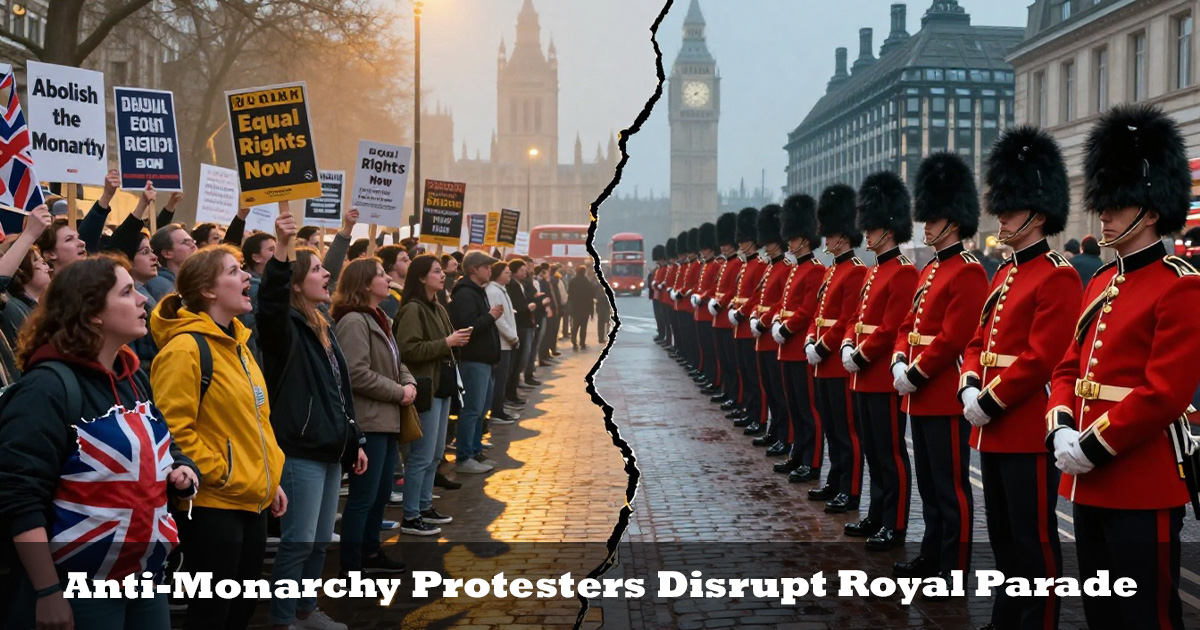
Anti-Monarchy Protest became one of the most talked-about moments during Trooping the Colour 2026 in London. On June 13, 2026, the event turned into a major talking point when anti-monarchy protesters gathered at the parade route, drawing widespread attention. What is usually a carefully choreographed display of royal tradition suddenly became the stage for a highly visible political protest.
While thousands gathered along The Mall to celebrate the King’s official birthday, a vocal group of republican activists used the event to challenge the monarchy’s role in modern Britain. Their chants, banners, and placards created a striking contrast to the pageantry unfolding around them.
The appearance of Anti-Monarchy Protesters at the Parade quickly became one of the most discussed moments of Trooping the Colour 2026, generating widespread media coverage and public debate. The incident quickly spread across social media and news platforms, sparking discussions about free speech, public protest, royal accountability, and the future of the monarchy.
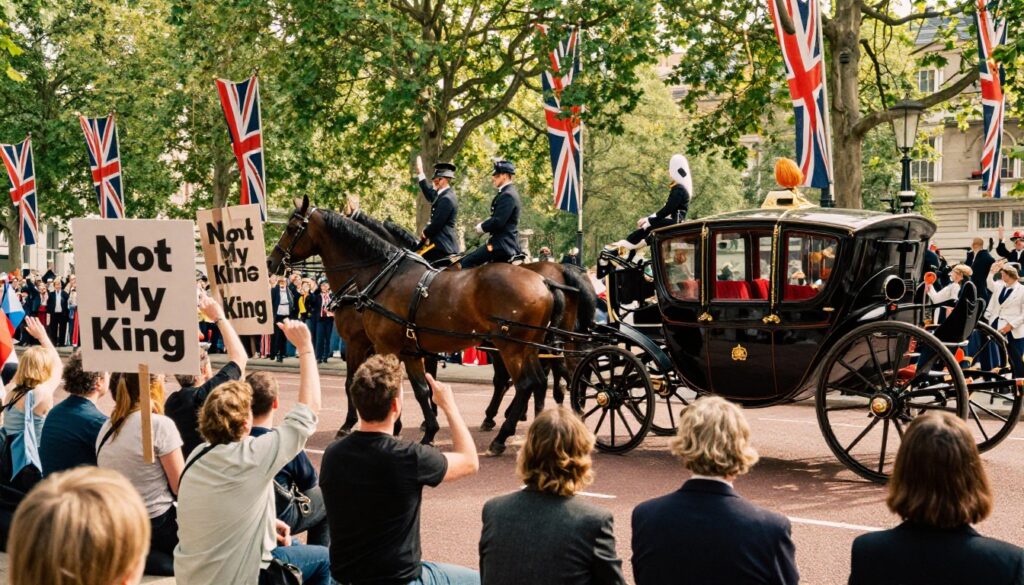
Table of Contents
Anti-Monarchy Protest: What Happened During the Parade
Trooping the Colour is one of Britain’s most recognizable royal ceremonies. The event features military precision, royal appearances, and a celebration of the monarch’s official birthday.
During the carriage procession through The Mall, however, a group of protesters interrupted the atmosphere with loud boos and anti-monarchy slogans. Supporters and critics alike shared strong opinions about Anti-Monarchy Protesters at the Parade, making the event trend across social media platforms.
As the Princess of Wales and her children passed by in an Ascot Landau carriage, chants from demonstrators became clearly audible. Protesters displayed signs reading:
- “Not My King”
- “Down with the Crown”
- “Stop the Reign”
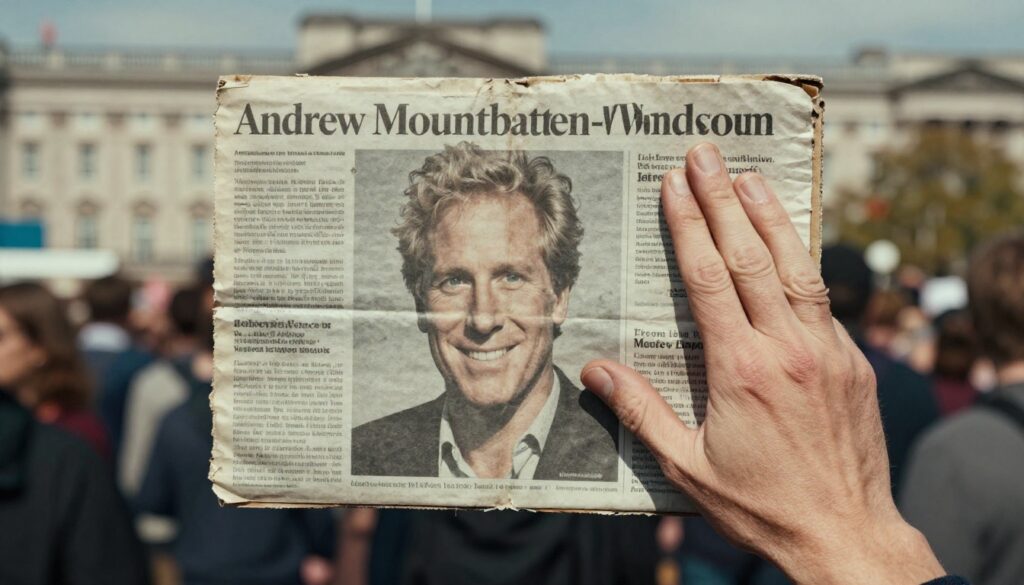
Several placards also featured images linked to the ongoing controversy surrounding Prince Andrew and his association with Jeffrey Epstein.
The moment stood out because Trooping the Colour is traditionally associated with national unity and royal celebration.
Why the Anti-Monarchy Protest Sparked Debate
The primary group behind the demonstration was Republic, a long-established campaign organization advocating for the abolition of the British monarchy.
Republic argues that Britain should replace the hereditary monarchy with an elected head of state. The organization has become increasingly visible at major royal events over recent years.
Their Main Objectives
The group has consistently called for:
- Greater royal accountability
- Constitutional reform
- An elected head of state
- Public debate about the monarchy’s future
For activists, high-profile events such as Trooping the Colour provide an opportunity to attract national and international attention.
The presence of Anti-Monarchy Protesters at the Parade was therefore not unexpected. Similar demonstrations have taken place during previous royal ceremonies, although this year’s protest received particularly strong media coverage.
Why Prince Andrew Appeared on Protest Signs
One of the most striking aspects of the demonstration was the repeated appearance of Prince Andrew’s image on banners and placards.
The reason stems from years of controversy surrounding his relationship with convicted sex offender Jeffrey Epstein.
Although Prince Andrew has denied wrongdoing, the issue continues to generate public scrutiny and media attention.
Protesters argued that the controversy raises broader questions about accountability within royal institutions.
Why Protesters Focused on Andrew
According to campaigners, the issue represents more than one individual.
They believe it highlights concerns about:
- Transparency
- Privilege
- Public trust
- Institutional accountability
For this reason, Andrew’s image became a symbolic part of the protest message rather than simply a criticism of one royal family member.
The Princess of Wales’ Response to the Protest
Perhaps the most discussed moment involved the Princess of Wales.
As the chants grew louder, observers noticed a brief pause in her public wave. Reports and video footage suggested she looked toward the source of the disturbance before continuing with her duties.
Many commentators noted her calm demeanor throughout the incident.
Maintaining Composure Under Pressure
Public appearances often place members of the royal family under intense scrutiny.
In this case, the Princess appeared to:
- Remain composed
- Avoid reacting emotionally
- Continue engaging with spectators
- Focus on the ceremonial event
Her children also remained calm despite the unexpected disruption.
For supporters of the monarchy, this composure reinforced the image of professionalism expected during public engagements.
Why Anti-Monarchy Protesters at the Parade Generated So Much Attention
Political protests occur regularly in democratic societies. However, this particular demonstration attracted attention because of its setting.
Trooping the Colour is one of the most symbolic events on the royal calendar.
The contrast between royal tradition and political dissent created powerful images that quickly circulated online.
Timing Matters
The protest achieved visibility because it occurred:
- During a globally televised event
- In front of large crowds
- Near senior members of the royal family
- At a ceremony representing continuity and tradition
As a result, even a relatively small group of demonstrators managed to generate significant discussion.
Public Reaction to the Anti-Monarchy Protest
Public responses to the protest were sharply divided.
Some people praised the demonstrators for exercising their democratic right to protest.
Others felt the action crossed a line because children were present in the royal carriage.
Supporters of the Protest Said:
- Peaceful protest is a democratic right.
- Public institutions should face scrutiny.
- High-profile events are legitimate venues for political expression.
Critics Argued:
- The protest targeted a family event.
- Children should not be exposed to hostile demonstrations.
- The occasion was intended as a national celebration.
These contrasting perspectives fueled extensive discussions across social media platforms and news outlets.
Anti-Monarchy Protesters at the Parade and the Future of the Monarchy
The incident reflects a broader conversation taking place throughout the United Kingdom.
While the monarchy continues to enjoy significant public support, surveys in recent years have indicated growing skepticism among younger generations.
Key Questions Being Raised
Many observers are asking:
- What role should the monarchy play in modern society?
- How should royal institutions address public criticism?
- Can traditional ceremonies remain relevant for future generations?
- Will republican movements continue to grow?
These questions are unlikely to disappear anytime soon.
The visibility of Anti-Monarchy Protesters at the Parade demonstrates that debates about Britain’s constitutional future remain active.
Tradition Versus Change
One reason the story resonated with so many people is that it highlighted two competing visions of Britain.
On one side stood centuries of royal tradition represented by military ceremony, historical symbolism, and national identity.
On the other stood campaigners calling for constitutional reform and democratic change.
Neither side is likely to disappear. The events surrounding Anti-Monarchy Protesters at the Parade demonstrate how royal ceremonies can become platforms for broader political discussions about tradition, accountability, and constitutional change.
Instead, events like Trooping the Colour increasingly serve as public stages where these competing perspectives become visible.
Political Message Behind the Anti-Monarchy Protest
Several important takeaways emerged from the event:
1. Inside the Anti-Monarchy Protest Crowd
Even small demonstrations can gain global attention when they occur at high-profile events.
2. Royal Events Are No Longer Free From Political Debate
Major ceremonies now attract both supporters and critics.
3.Media Response to the Anti-Monarchy Protest
Video clips and photographs can transform a brief incident into an international story within hours.
4. Public Interest in Constitutional Issues Continues
The monarchy remains one of Britain’s most debated institutions.
About the Author