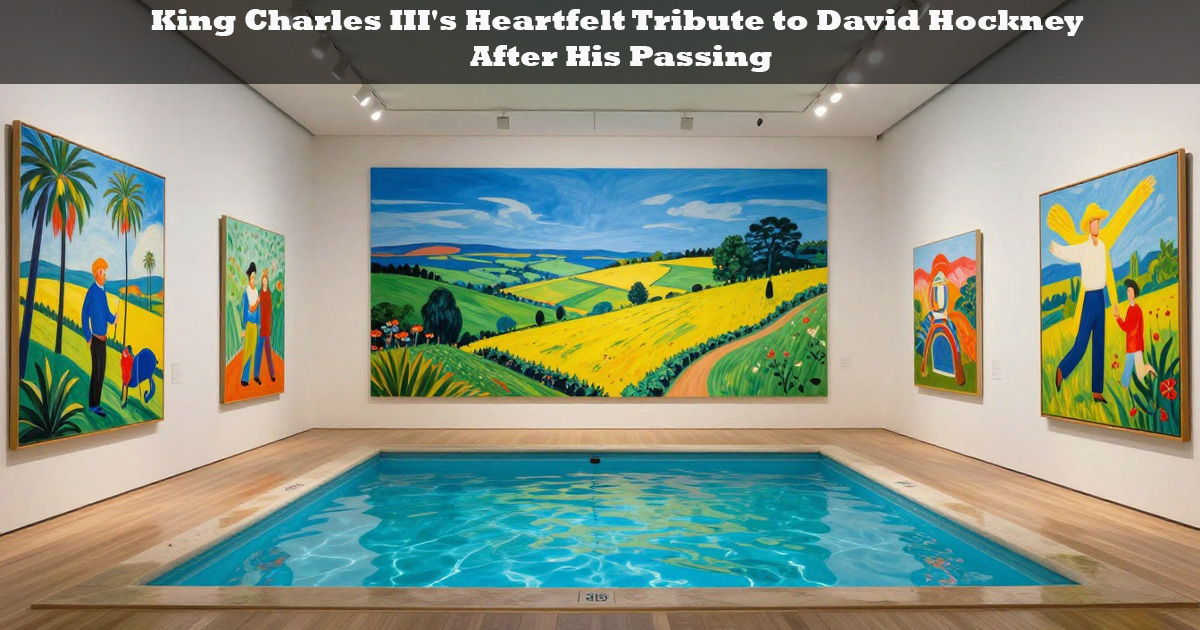
King Charles III tribute to David Hockney quickly became one of the most talked-about responses following the legendary artist’s death on June 11, 2026. The King Charles III tribute to David Hockney became one of the most discussed royal statements of 2026, capturing global attention shortly after the artist’s passing.
The passing of David Hockney at the age of 88 sparked an outpouring of grief across the cultural world. Artists, museum directors, politicians, and admirers shared heartfelt messages honoring a man whose creativity transformed modern art.
Yet among all the tributes, one stood apart.
The statement released by King Charles III felt remarkably personal. Rather than relying on formal royal language, the King’s words revealed genuine affection, shared memories, and the warmth of a decades-long friendship.
For many observers, it was not simply a royal statement. It was a friend saying goodbye.
Why the King’s Tribute Stood Out
Public tributes from monarchs are usually respectful and carefully worded. They often celebrate achievements while maintaining a formal tone.
This time was different. What made the King Charles III tribute to David Hockney so memorable was the genuine friendship that existed behind the public figures.
The King spoke not only about Hockney’s artistic genius but also about the person behind the paintings. His message contained details that only someone who knew Hockney well could have shared.
That authenticity resonated with people around the world.
In an era where public statements can sometimes feel scripted, the King Charles III tribute to David Hockney felt sincere, human, and deeply emotional.
The King’s words reminded everyone that behind public titles and international fame are real friendships that span decades.
A Friendship That Went Beyond Royal Protocol
Decades of Mutual Respect
The relationship between King Charles III and David Hockney was built over many years.
Long before becoming king, Charles had established himself as a passionate supporter of the arts. As Prince of Wales, he regularly engaged with artists, architects, musicians, and cultural institutions.
Among those creative figures, Hockney occupied a unique place.
The artist was not simply another celebrated painter invited to royal events. He was someone the King genuinely enjoyed spending time with. At its core, the King Charles III tribute to David Hockney reflected a friendship that had developed over decades of mutual admiration and respect.
Their friendship developed through shared conversations, cultural events, and private gatherings over several decades.
Hockney’s Independent Spirit
One reason their friendship fascinated many people was Hockney’s fiercely independent personality.
He famously rejected a knighthood, explaining that life was not about collecting honors. While many artists might have eagerly accepted such recognition, Hockney remained true to his beliefs.
Ironically, that authenticity may have been part of what made him so respected.
Even when receiving prestigious distinctions such as the Companion of Honour and later the Order of Merit, Hockney maintained the same straightforward personality that had defined him since his early years in Bradford.
The King appeared to admire that honesty.
David Hockney’s Extraordinary Life and Career
From Bradford to Global Fame
Born in Bradford, David Hockney became one of the most influential artists of the modern era.
His rise from northern England to international recognition is one of the great success stories in contemporary art.
Throughout his career, he constantly reinvented himself.
Rather than repeating past successes, Hockney explored new techniques, technologies, and artistic approaches.
The Swimming Pool Paintings
Many people first discovered Hockney through his iconic swimming pool paintings inspired by life in California.
Works depicting bright sunlight, clear blue water, and relaxed lifestyles became defining images of twentieth-century art.
These paintings helped establish Hockney as a global cultural figure.
Yet they represented only one chapter of a remarkably diverse career.
A Pioneer Until the End
Even in his eighties, Hockney continued experimenting.
While some artists become comfortable with familiar methods, Hockney embraced digital technology. He famously used iPads and other digital tools to create large-scale artworks that surprised critics and delighted audiences.
His willingness to evolve demonstrated a rare creative fearlessness.
It is no surprise that the King specifically highlighted Hockney’s spirit of innovation.
The Personal Details That Made the Tribute Special
The Famous Yellow Crocs
Perhaps the most memorable part of the King Charles III tribute to David Hockney was the reference to the artist’s beloved yellow Crocs.
For many people, this detail instantly captured Hockney’s personality.
Bright, unconventional, and impossible to ignore, the shoes became symbolic of his refusal to conform to expectations.
While others may have chosen formal footwear for royal occasions, Hockney wore what felt natural to him.
That was exactly who he was.
A Remarkably Human Goodbye
The King’s hope that Hockney would “tread safely into the hereafter” wearing those famous shoes struck a powerful emotional chord.
The phrase blended humor, affection, and sadness.
It felt less like an official statement and more like a personal farewell.
That single image transformed the tribute from a formal announcement into something deeply memorable.
“A Dear Friend”
Another phrase that attracted attention was the King’s description of Hockney as a “dear friend.”
Royal statements are rarely so intimate.
By choosing those words, Charles made it clear that this loss was personal.
Observers immediately recognized that the relationship between the monarch and the artist extended far beyond public appearances.
The Art World’s Response to Hockney’s Passing
The cultural community responded with overwhelming admiration.
Tracey Emin praised Hockney as both a remarkable artist and a wonderful human being.
Meanwhile, Grayson Perry described him as a poet of spring, capturing the vibrant optimism found throughout much of Hockney’s work.
Museums, galleries, and cultural organizations across the globe issued statements celebrating his influence.
Among them was Tate, which highlighted the enormous impact Hockney had on generations of artists and audiences.
Yet even among these heartfelt tributes, the King’s message continued to stand out because it focused on personal memories rather than public achievements.
That difference made it especially moving.
What Happens to David Hockney’s Legacy Now?
Upcoming Exhibitions
Several major exhibitions dedicated to Hockney’s work are expected to continue as planned.
These exhibitions were originally intended to celebrate his living legacy.
Now they will also serve as memorials. As exhibitions continue around the world, the King Charles III tribute to David Hockney remains an important part of the conversation surrounding his legacy.
Visitors will have an opportunity to reflect not only on his artistic achievements but also on the extraordinary life behind them.
The Queen’s Window
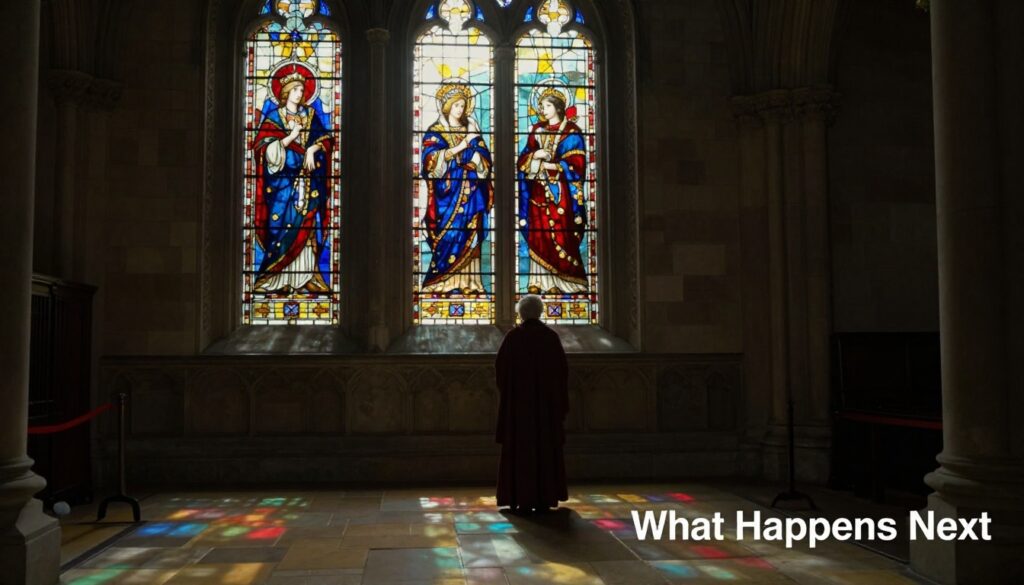
One of Hockney’s most enduring public works remains the famous Queen’s Window at Westminster Abbey.
Designed to honor Queen Elizabeth II, the stained-glass masterpiece fills the space with color and light.
Generations of visitors will continue experiencing that work long into the future.
It serves as a powerful reminder that great art often outlives the people who create it.
A Lasting Influence
Hockney’s impact extends beyond galleries and museums.
His approach to creativity inspired countless artists to experiment, evolve, and challenge conventions.
His career demonstrated that artistic growth never has to stop.
That lesson may ultimately become one of his greatest gifts to future generations.
Lessons From an Unusual Friendship
The friendship between King Charles III and David Hockney offers several meaningful lessons. The warmth expressed in the King Charles III tribute to David Hockney demonstrated the value of authentic friendships.
Authenticity Matters
Hockney never changed who he was to satisfy expectations.
Whether speaking his mind, rejecting honors, or wearing bright yellow Crocs, he remained authentic.
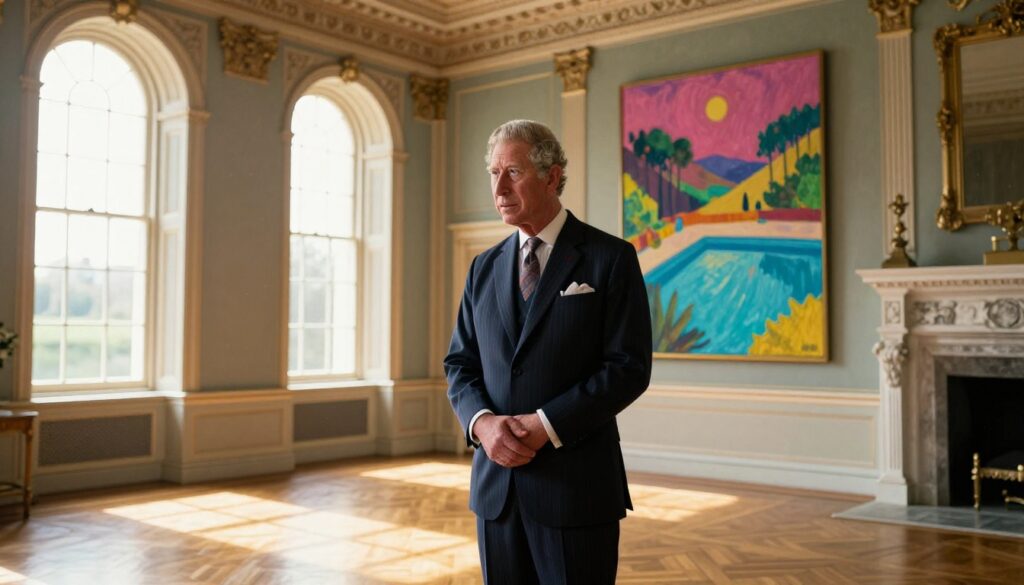
Respect Can Cross Different Worlds
A king and an artist may seem like very different people.
Yet genuine respect allowed a meaningful friendship to flourish. The reference to yellow Crocs helped transform the King Charles III tribute to David Hockney into something deeply personal.
Art World Section
Many critics noted that the King Charles III tribute to David Hockney felt different from traditional royal condolences.
Personal Memories Matter Most
When someone passes away, achievements remain important.
But often it is the small details people remember most.
In Hockney’s case, a pair of yellow Crocs became a symbol of individuality, joy, and friendship.
About the Author