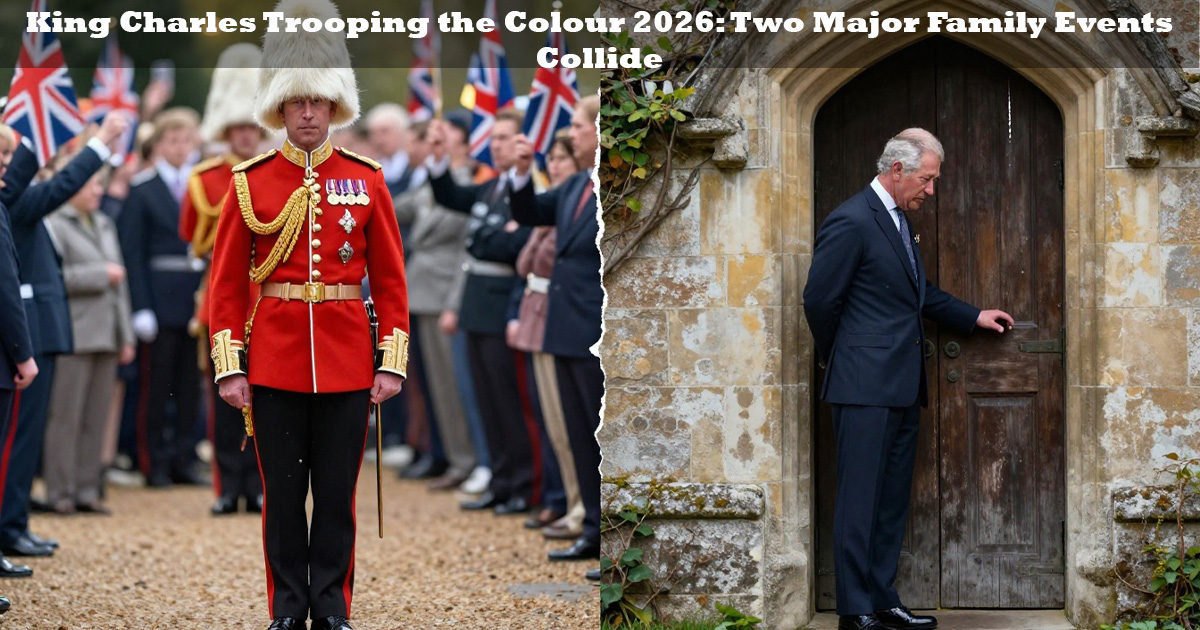
King Charles Trooping the Colour 2026 is shaping up to be one of the most unusual and emotionally layered days in modern royal history. From the outside, it looks like a packed royal schedule. But behind the scenes, it represents something far deeper—duty, loyalty, and personal connection colliding within hours.
On Saturday, 13 June 2026, the monarch must step into two completely different roles. In the morning, he stands as a military figurehead at a grand national celebration. By afternoon, he becomes a grieving family member attending a quiet countryside funeral.
This is not just a scheduling challenge. It is a portrait of monarchy under pressure—and of a King determined not to disappoint either institution or family.
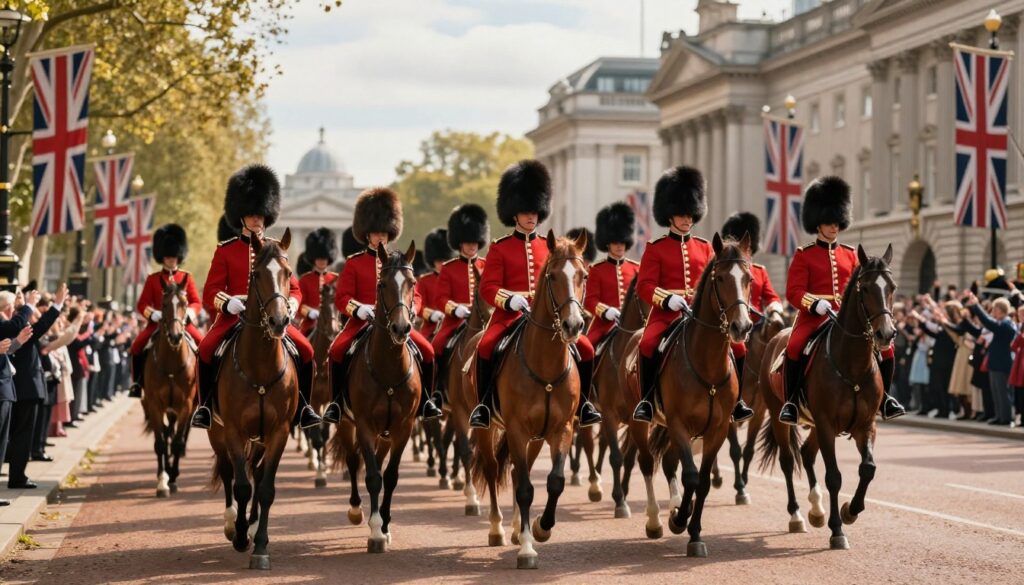
Table of Contents
What Makes King Charles Trooping the Colour 2026 So Historic
The significance of King Charles Trooping the Colour 2026 lies in its rare overlap of events that cannot be postponed.
In the morning, King Charles III—played here as King Charles III—will take center stage at Trooping the Colour, one of the most important ceremonial events in Britain. Later that same day, he is expected to attend the funeral of Lady Pamela Hicks, a close family connection.
This dual responsibility is not just rare. It is almost unprecedented in modern royal scheduling.
The event known as Trooping the Colour has been held for centuries, symbolizing continuity and national pride. But this year, it becomes part of a much more personal story.
The Meaning Behind Trooping the Colour
To understand King Charles Trooping the Colour 2026, you first need to understand what Trooping the Colour represents.
This historic ceremony dates back to 1748 and marks the official birthday of the British sovereign. It features:
- Over 1,400 soldiers
- Around 200 horses
- Hundreds of military musicians
- A grand procession through central London
The monarch inspects troops as Colonel-in-Chief of the Household Division, reinforcing the bond between Crown and armed forces.
For King Charles III, this ceremony is more than tradition. It is a visible reminder of continuity during a period of transition for the monarchy.
Morning Duty: A Royal Parade of Precision
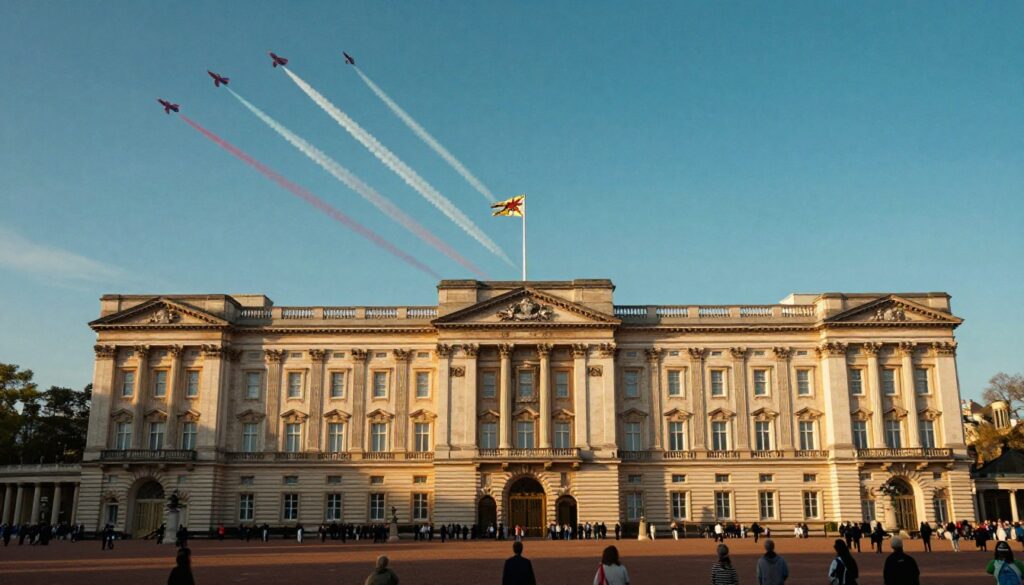
In the morning of King Charles Trooping the Colour 2026, the King will arrive at Buckingham Palace alongside Queen Camilla.
From there, the procession moves with military precision. Every detail is choreographed down to the second. The flypast, expected to conclude around 1:00 p.m., marks the ceremonial climax of the event.
But what makes this year different is what comes next.
Unlike previous years, there is no room for delay. The King must immediately shift from public celebration to private mourning.
This is where the pressure of King Charles Trooping the Colour 2026 becomes most visible—not in spectacle, but in timing.
Afternoon Duty: A Private Family Farewell
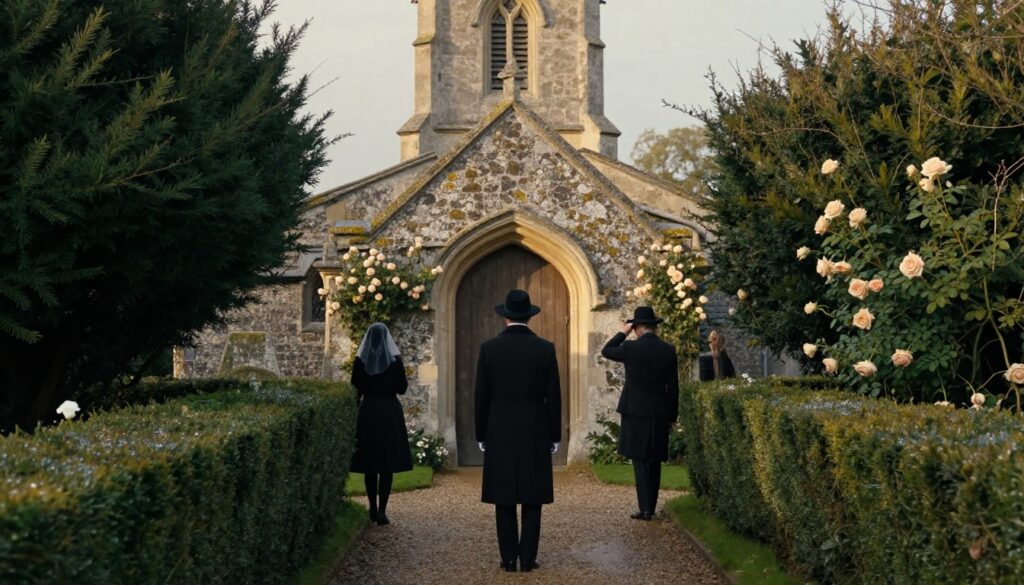
Just hours after the parade, King Charles is expected at a very different setting: a village church funeral in Oxfordshire for Lady Pamela Hicks.
Lady Pamela Hicks—known publicly as Lady Pamela Hicks—was deeply connected to the royal family. As a former lady-in-waiting to Queen Elizabeth II and daughter of Lord Mountbatten, her life was intertwined with the monarchy for decades.
Her funeral is expected to be small, personal, and emotionally grounded. No grand speeches. No elaborate ceremony. Just hymns, family, and remembrance.
This contrast defines King Charles Trooping the Colour 2026 more than anything else—the shift from national spectacle to intimate grief.
The Logistical Challenge Behind the Scenes
The most difficult part of King Charles Trooping the Colour 2026 is not symbolic—it is physical.
Between the end of the parade and the funeral service, the King has roughly 90 minutes to:
- Change attire from ceremonial uniform to mourning dress
- Travel nearly 60 miles from London to Oxfordshire
- Navigate traffic and security routes
- Arrive without disrupting either event
Royal planners have reportedly tested multiple routes and timing scenarios. Even under ideal conditions, the margin for error is almost nonexistent.
Yet despite the pressure, the plan remains unchanged.
That decision reinforces the central theme of King Charles Trooping the Colour 2026: commitment over convenience.
Lady Pamela Hicks and the Human Side of Royalty
One of the most human elements of King Charles Trooping the Colour 2026 is its connection to Lady Pamela Hicks.
Her life represented a different era of royal service—one defined by discretion, duty, and personal loyalty rather than public visibility.
As the daughter of Lord Mountbatten and a close royal companion, she witnessed defining moments in British history, including the transition of monarchs and shifting global roles of the Crown.
Her passing adds emotional weight to a day already filled with national symbolism.
For King Charles III, attending her funeral is not optional. It is personal.
Why This Day Defines King Charles’ Reign
The story of King Charles Trooping the Colour 2026 is not just about logistics or tradition. It reflects something deeper about leadership.
Monarchy has always required balancing public duty with private life. But rarely does that balance appear so compressed.
This single day shows:
- The endurance of royal tradition
- The emotional cost of public duty
- The human relationships behind royal titles
- The expectation of constant presence
King Charles III’s decision to attend both events signals something important about his reign: consistency, even under pressure.
And that is what makes King Charles Trooping the Colour 2026 more than a ceremonial headline—it becomes a defining moment of character.
About the Author