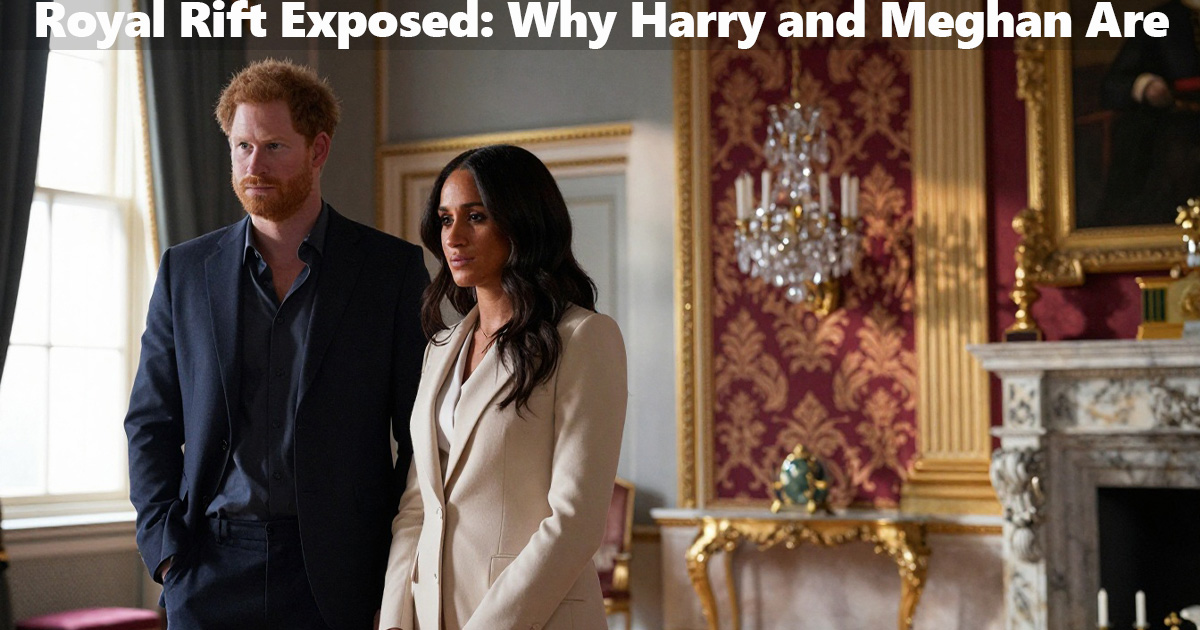
Harry and Meghan Royal Family Ban: 7 Shocking Truths Behind the Drama
The Harry and Meghan royal family ban has become one of the most talked-about storylines in modern royal history. What once looked like a temporary family disagreement has evolved into a long-running separation that now shapes public events, private gatherings, and even royal traditions.
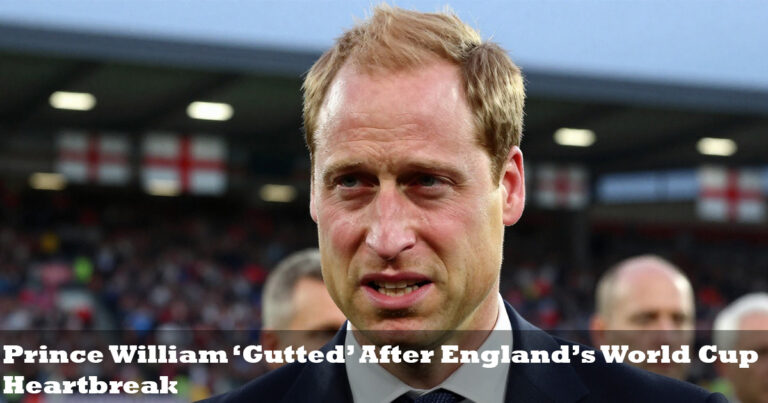
The latest wave of discussion began after reports suggested that Prince Harry would not be invited to Peter Phillips’ wedding in Gloucestershire. This moment reignited global attention on the growing distance between the Sussexes and the rest of the royal family.
While official statements remain minimal, the silence itself has become part of the story. And in many ways, the Harry and Meghan royal family ban reflects deeper issues than just guest lists or ceremonies—it points to trust, branding, and the future shape of the monarchy.
The Wedding That Sparked Fresh Tension
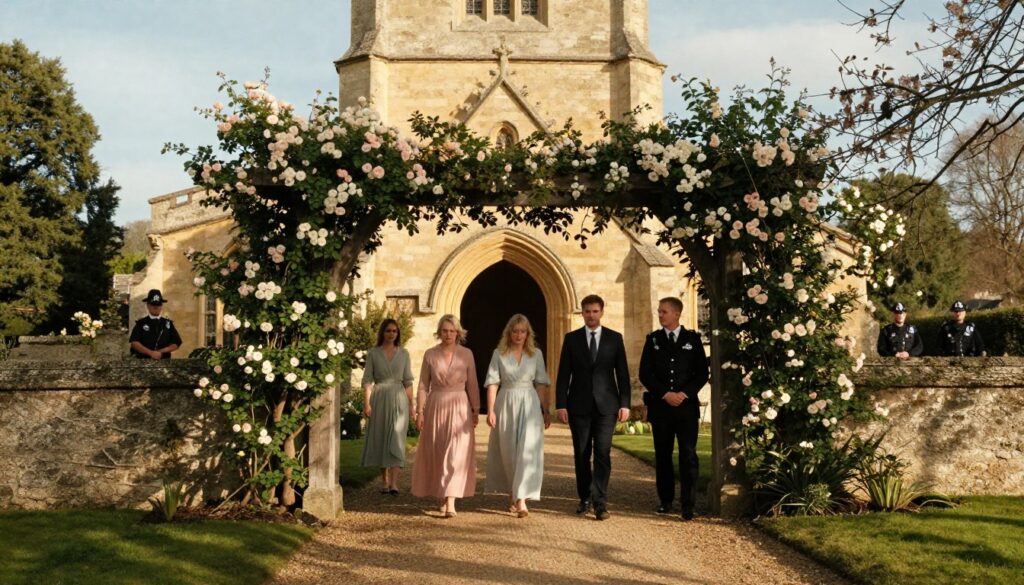
The upcoming wedding of Peter Phillips, son of Princess Anne, has drawn attention not for its scale but for its exclusions.
Reports suggest the event is intended to be a small, intimate gathering with close family members and working royals. Attendees are expected to include senior figures from the monarchy, while Prince Harry and Meghan Markle are reportedly not on the guest list.
This development has been widely interpreted as another sign of the Harry and Meghan royal family ban, though insiders frame it as a matter of “practical family dynamics” rather than official punishment.
Still, the emotional weight of exclusion is difficult to ignore, especially when it involves family events that traditionally symbolize unity.
What the Guest List Really Reveals
Royal guest lists are never just about seating arrangements—they often reflect structure, hierarchy, and internal alignment.
In this case, the absence of the Sussexes appears to reinforce a clear division:
- Working royals are prioritized
- Non-working royals are often excluded from formal events
- Sensitive family dynamics are quietly managed through invitations
The Harry and Meghan royal family ban narrative grows stronger because these patterns are not isolated. Instead, they appear across multiple events over recent years.
From jubilees to state occasions, their absence has become increasingly consistent.
The Branding Clash Inside the Monarchy
One of the most discussed elements of the Harry and Meghan royal family ban is not personal conflict—but branding.
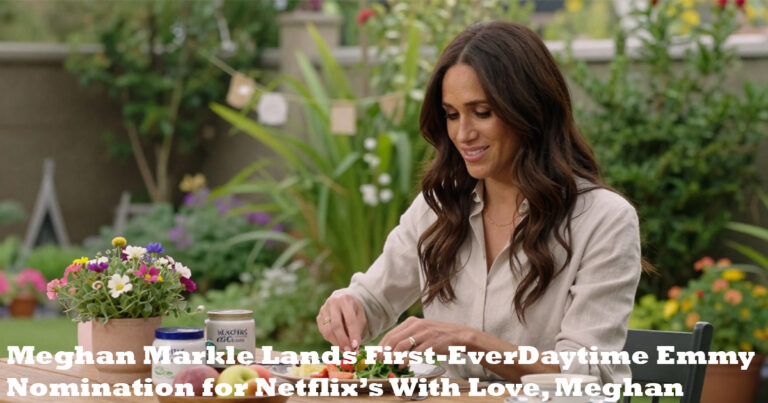
Since stepping back from royal duties, Harry and Meghan have built a global media presence. Their interviews, documentary projects, and commercial partnerships have positioned them as independent public figures.
However, within royal circles, this shift is often viewed differently. Critics argue that mixing private family identity with commercial storytelling creates tension for an institution built on tradition and neutrality.
Key friction points often mentioned include:
- Media interviews discussing private royal matters
- Commercial deals tied to royal experiences
- Public narratives that contrast with official palace messaging
Whether fair or not, this branding divide plays a major role in the ongoing Harry and Meghan royal family ban perception.
A Long Pattern of Exclusion
The recent wedding news is not an isolated incident. Instead, it fits into a broader timeline of separation.
Over the past few years, Harry and Meghan have been absent from several high-profile royal occasions, including:
- Major balcony appearances during national celebrations
- Formal state events and receptions
- Private family gatherings tied to royal estates
- Select ceremonial traditions involving senior royals
Each absence adds another layer to the Harry and Meghan royal family ban narrative, even when framed officially as protocol or scheduling decisions.
What makes this situation unique is the consistency. It is not a one-time exclusion—it is a pattern that has developed over time.
Why Reconciliation Looks Increasingly Unlikely
Royal commentators often suggest that reconciliation would require more than private conversations. It would require structural change in how roles and responsibilities are defined.
According to several reports, senior members of the royal family are focused on stability and avoiding public controversy. This has reportedly led to a cautious approach when it comes to reintegrating the Sussexes into formal events.
The Harry and Meghan royal family ban therefore becomes less about personal conflict and more about institutional risk management.
Key challenges include:
- Public trust and media scrutiny
- Competing public narratives
- Ongoing commercial and media projects
- Lack of consistent private communication
As a result, even small gestures of inclusion become complicated.
Public Perception and Media Pressure
Public opinion plays a powerful role in shaping how the Harry and Meghan royal family ban is understood.
Supporters of the couple often view the situation as unfair exclusion, pointing to their desire for independence and privacy. Critics, however, argue that stepping away from royal duties naturally comes with fewer invitations and privileges.
The media amplifies both perspectives, often turning subtle family decisions into global debates.
This constant attention makes reconciliation even harder, as every gesture is interpreted through a political or symbolic lens rather than a personal one.
What Happens Next for Harry and Meghan
Looking ahead, the future of the Harry and Meghan royal family ban narrative depends on several unpredictable factors.
Key possibilities include:
- Occasional private family interactions away from public events
- Continued separation at official royal functions
- Selective invitations based on event sensitivity
- A long-term informal distance between the two sides
What seems unlikely, at least in the short term, is a full return to shared royal appearances.
Instead, the situation appears to be settling into a new normal—one where coexistence exists, but separation is routine.
About the Author